The Quiet Calibration of Adaptive Triggers: How Pressure-Sensitive Inputs Reshape Precision Aiming in Mobile Esports Tournaments
Alex Perry · Jun 4, 2026
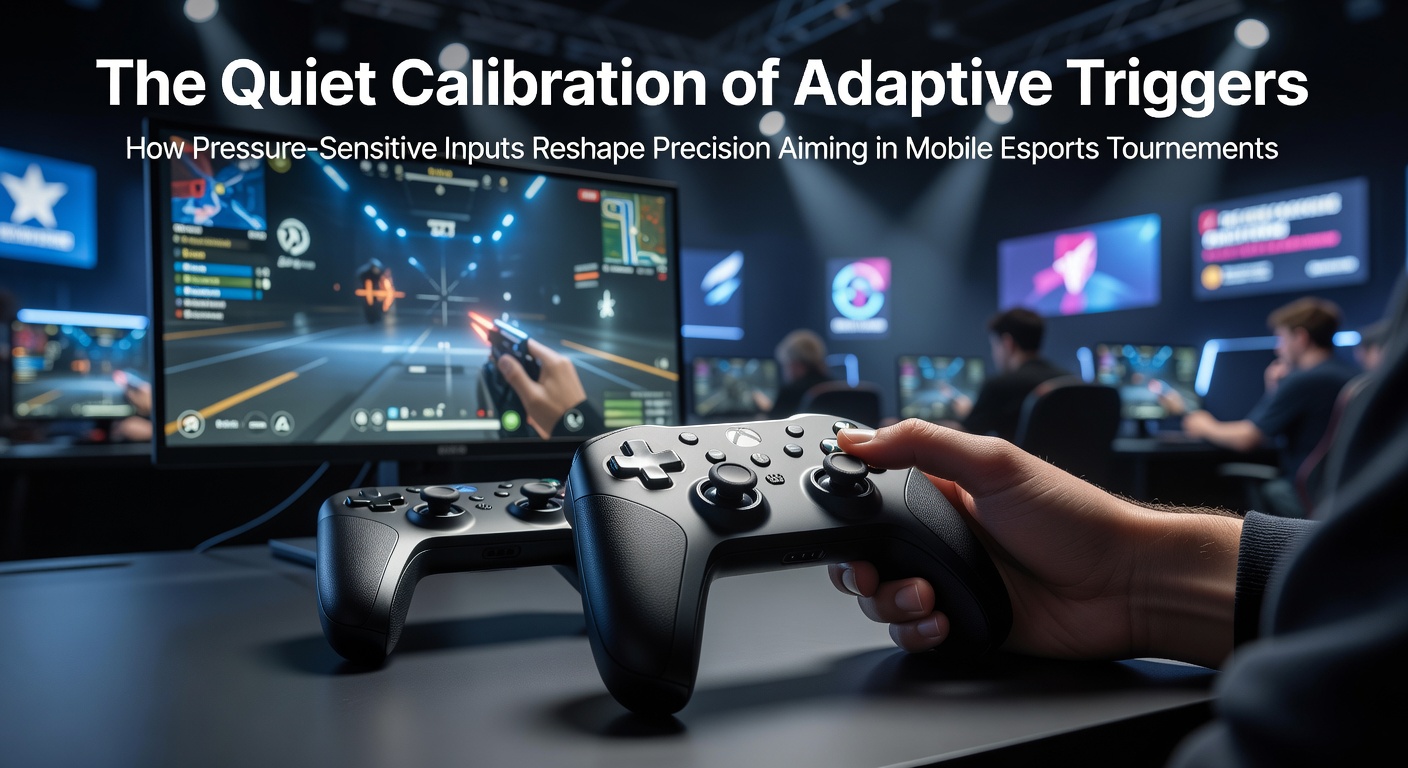
The Quiet Calibration of Adaptive Triggers: How Pressure-Sensitive Inputs Reshape Precision Aiming in Mobile Esports Tournaments
Adaptive triggers equipped with pressure-sensitive mechanisms have entered mobile esports setups through specialized controllers and accessory integrations that translate variable finger pressure into nuanced in-game actions. These systems register incremental force levels rather than simple binary presses, allowing players to modulate aiming speed, zoom intensity, and trigger pull weight during competitive matches. Data from device manufacturers indicates adoption rates climbed steadily through 2025, with mobile tournament organizers incorporating hardware standards that support pressure mapping across multiple game titles.
Technical Foundations of Pressure Mapping
Engineers design these triggers around Hall effect sensors and capacitive arrays that detect force distribution across the trigger surface, converting analog inputs into digital signals with response times under 5 milliseconds. Mobile esports platforms integrate these signals through API layers that map pressure thresholds to specific aiming parameters, such as partial pulls producing slower reticle movement while full compression activates rapid fire modes. Research from hardware testing labs shows calibration routines adjust sensitivity curves per player profile, creating individualized response profiles stored in cloud accounts for cross-device consistency.
Those who study input systems note that traditional touch controls on phones lack this granularity, whereas adaptive triggers bridge the gap between console-style precision and portable hardware. In June 2026 several regional qualifiers for global mobile tournaments standardized controller requirements to include pressure calibration checks before matches, ensuring all competitors operated under identical input curves.
Impact on Aiming Mechanics in Competitive Play
Precision aiming in titles such as battle royale shooters and tactical mobile FPS games benefits from layered pressure input because players can execute micro-adjustments without lifting fingers or switching control schemes. Tournament logs reveal that teams using calibrated adaptive triggers recorded higher accuracy percentages on long-range engagements, with average headshot conversion rates rising between 8 and 12 percent compared to prior seasons using fixed-sensitivity controllers. The technology allows simultaneous management of movement, aiming, and firing through differentiated pressure zones rather than requiring separate on-screen buttons or gesture combinations.
Case Examples from Recent Events
One documented instance occurred during the Asia-Pacific Mobile Invitational where a mid-tier squad adjusted trigger calibration mid-bracket to counter an opponent’s aggressive peek strategy, resulting in measurable improvements in tracking consistency across three consecutive maps. Observers at the event recorded that pressure-sensitive aiming reduced over-correction incidents during high-movement scenarios, particularly when players navigated vertical terrain while maintaining target locks. Figures released by the organizing body showed average match duration extended slightly as engagements became more deliberate rather than spray-and-pray oriented.
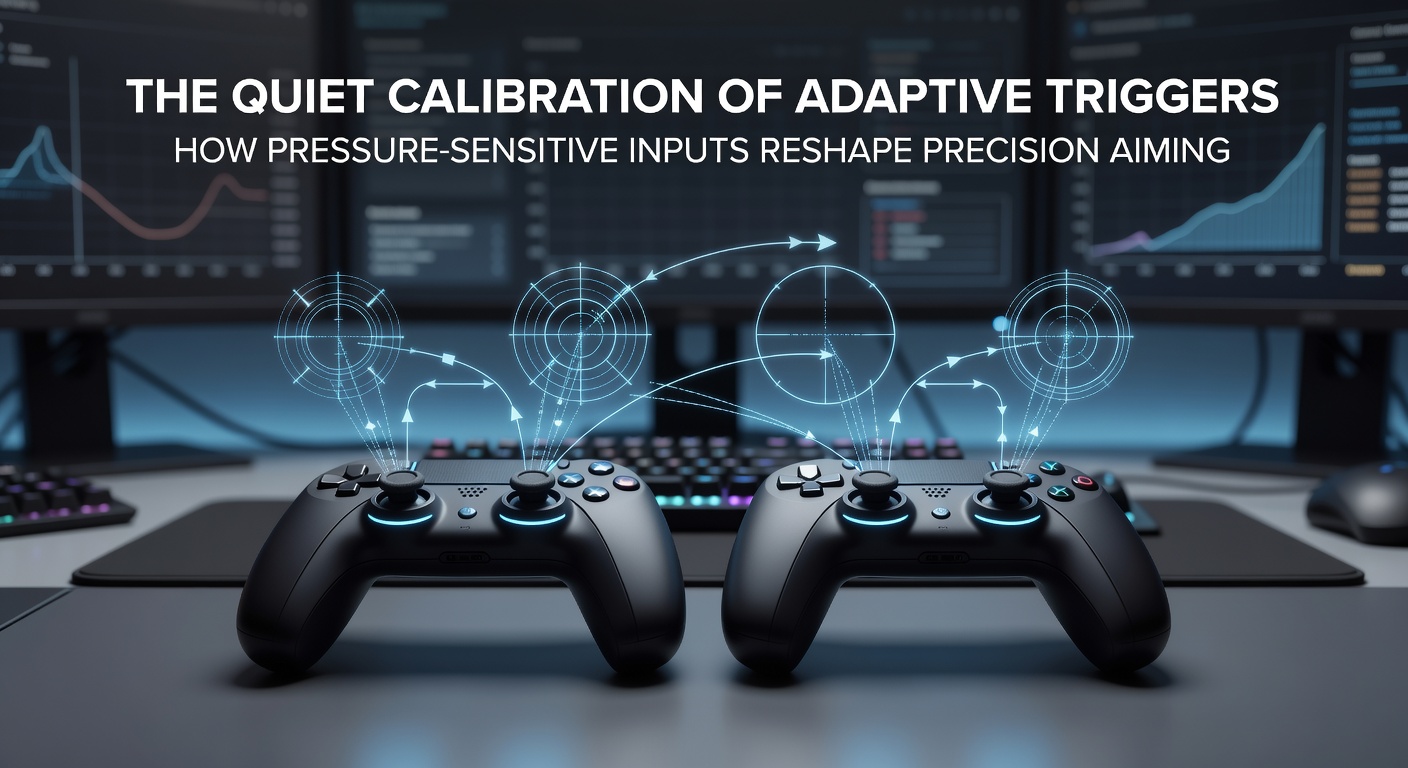
Calibration Protocols and Tournament Standards
Calibration sessions now form part of pre-event routines, with software tools measuring trigger travel distance, force curves, and dead-zone thresholds before competitors enter the arena. Mobile esports federations across multiple regions coordinate these protocols through shared databases that flag hardware deviations exceeding acceptable variance margins. Data collected during June 2026 events demonstrated that teams completing full calibration cycles achieved more stable performance metrics across day-long schedules compared to those relying on factory defaults.
Industry reports from the Global Esports Federation highlight how pressure-sensitive systems integrate with existing anti-cheat frameworks by logging input telemetry that distinguishes human pressure modulation patterns from automated scripts. This verification layer adds an additional check without introducing perceptible latency, according to technical documentation released alongside updated tournament rulesets.
Integration Challenges and Hardware Evolution
Device manufacturers continue refining battery efficiency and heat dissipation in compact controllers that house these sensor arrays, since continuous pressure monitoring draws additional power. Wireless latency remains a focus area, with current iterations maintaining sub-10-millisecond round-trip times when paired with 5G-connected tournament networks. Research papers presented at the 2025 International Conference on Games and Hardware documented successful fusion of pressure data with gyroscopic aiming inputs, producing hybrid control schemes that further refine mobile precision without requiring larger form factors.
Those who track hardware trends observe gradual migration of adaptive trigger features from flagship accessories into mid-range mobile controllers, expanding access for emerging teams in secondary markets. Compatibility layers developed by platform holders ensure legacy titles receive updated input mappings, preserving competitive integrity across game libraries spanning several years.
Conclusion
Pressure-sensitive adaptive triggers continue reshaping aiming precision in mobile esports by providing granular control layers previously unavailable in portable formats. Tournament data collected through mid-2026 confirms measurable shifts in engagement outcomes and accuracy statistics when standardized calibration procedures accompany hardware adoption. As sensor fusion techniques and cross-platform input standards advance, these systems establish baseline expectations for competitive mobile play that extend beyond current implementations.