The Push Toward Recyclable Alloys in Joystick Manufacturing Lines for Arcade Revival Projects
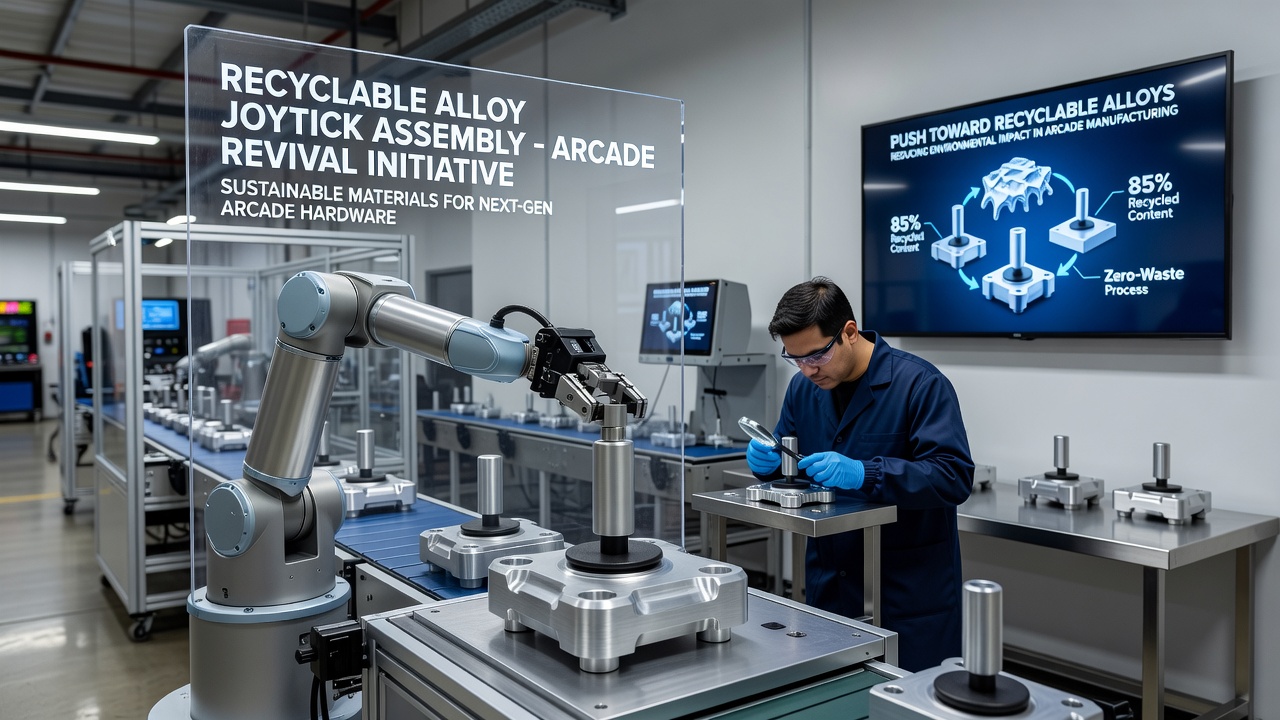
Arcade revival projects have gained momentum since the early 2020s, and manufacturers now face increasing pressure to incorporate recyclable alloys into joystick production lines. Data from industry reports shows that traditional joystick materials often include mixed metals that resist efficient recycling, yet new alloy formulations allow for repeated reprocessing without significant quality loss. Researchers at several technical institutes have documented how these alloys maintain structural integrity under high-use conditions typical of arcade environments, and this shift aligns with broader electronics sector trends toward circular material flows.
Arcade Market Dynamics Driving Material Changes
Revival initiatives in North America and parts of Asia have restored thousands of classic cabinets, and joystick replacements represent a recurring demand point in maintenance schedules. Figures from equipment suppliers indicate that annual joystick unit volumes for these projects reached several hundred thousand by 2025, creating scale that justifies investment in specialized alloy lines. Observers note that operators prefer components with documented recyclability because local regulations in multiple jurisdictions now tie equipment certifications to end-of-life material recovery rates.
June 2026 brought additional clarity when the European Environment Agency released updated guidelines on extended producer responsibility for gaming hardware, and these guidelines explicitly reference input devices such as joysticks. Manufacturers responded by auditing existing supply chains, which revealed that conventional brass and steel blends frequently contain trace elements that complicate downstream sorting. Recyclable alloys formulated with higher aluminum and magnesium content have emerged as practical substitutes because they separate cleanly during standard shredding and melting processes.
Alloy Composition and Performance Characteristics
Engineers have tested several candidate alloys in controlled durability trials, and results demonstrate that certain aluminum-magnesium-silicon mixes withstand the repetitive mechanical stress of joystick actuation cycles exceeding one million movements. These alloys exhibit yield strengths comparable to legacy materials while offering density reductions that lower overall cabinet weight, an advantage for transport and installation crews. Production data collected from pilot lines shows that scrap generated during machining can return directly to foundries at recovery rates above 95 percent when proper segregation protocols are followed.
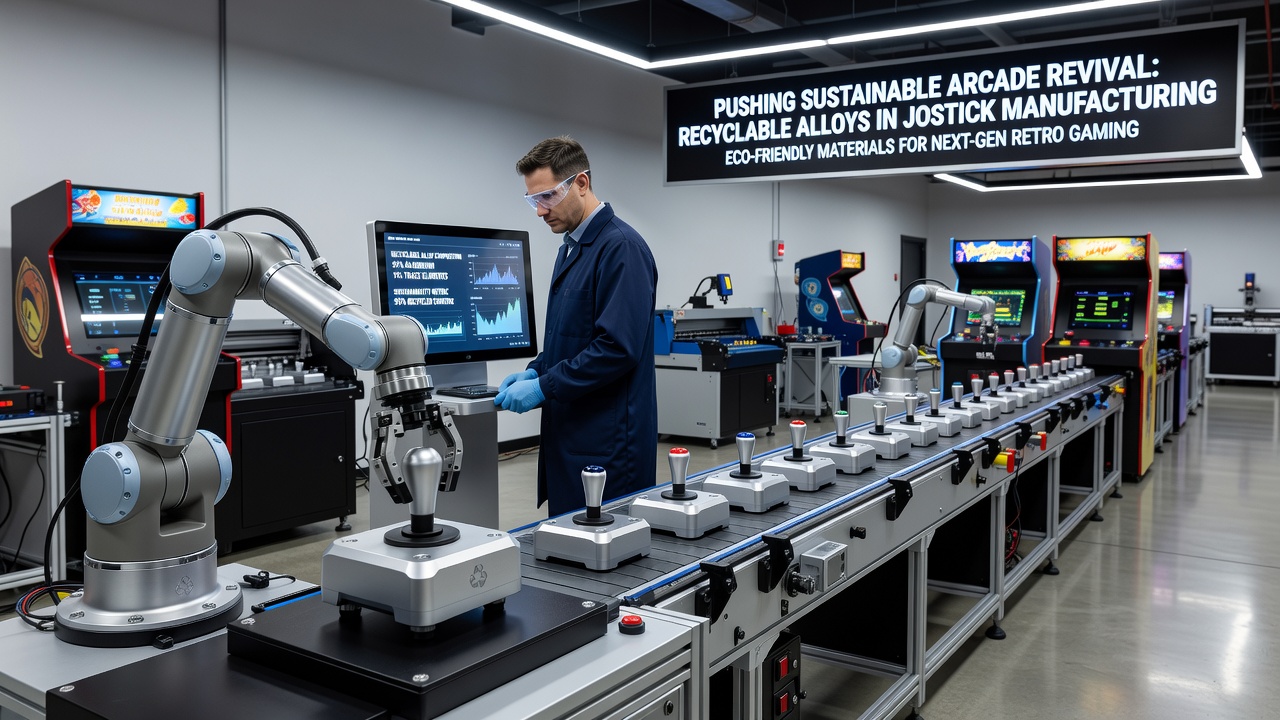
What's interesting is how surface treatments applied to these alloys preserve tactile feedback and corrosion resistance without introducing non-recyclable coatings. Anodizing processes using recyclable electrolytes have replaced older plating methods in several facilities, and independent laboratory verification confirms that the treated parts retain consistent friction coefficients across temperature ranges common in arcade venues. This consistency matters because players expect predictable lever response regardless of ambient conditions.
Manufacturing Line Adaptations
Facilities retooling for recyclable alloys have implemented modular die-casting cells that accommodate rapid alloy swaps, and these cells integrate sensor arrays to monitor melt composition in real time. Such monitoring prevents contamination that would otherwise reduce recyclability in subsequent cycles. Suppliers report that changeover times between alloy batches have dropped below thirty minutes in optimized setups, allowing smaller production runs that match the variable demand patterns of revival projects.
One study from a Canadian research consortium examined energy consumption across conventional and updated lines, and it found measurable reductions tied to lower melting points of the new alloys. The study also tracked water usage in cooling loops and documented closed-loop systems that reuse process water after basic filtration. These operational adjustments support compliance with emerging sustainability reporting requirements without disrupting throughput targets.
Supply Chain and Regulatory Influences
Global supply networks for specialty alloys have expanded, and traceability platforms now record the origin and recycling history of each batch delivered to joystick assemblers. Government agencies in Australia have piloted digital material passports for electronics components, and early adopters in the arcade sector have integrated these passports into their quality management systems. The approach provides verifiable data that downstream recyclers can use to optimize sorting and avoid downcycling.
Industry associations representing amusement equipment manufacturers have published voluntary standards that reference alloy recyclability thresholds, and several major cabinet restoration firms have adopted these standards as procurement criteria. Compliance audits conducted in 2025 and 2026 reveal steady progress, although gaps remain in smaller workshops that continue to source legacy parts through secondary markets.
Case Examples from Current Projects
Restoration teams working on mid-century Japanese cabinets have switched to aluminum-dominant joystick housings produced on lines that accept returned scrap directly from installation sites. The closed loop reduces virgin material purchases and aligns with corporate environmental targets reported by the operating companies. Similar programs in European retro-arcade venues have incorporated magnesium-enhanced alloys that offer improved heat dissipation during extended play sessions, although thermal performance gains remain secondary to the primary recycling objective.
University-led material science projects have contributed characterization data on fatigue behavior under simulated player input patterns, and these datasets now inform alloy specification sheets used by manufacturers. The collaboration demonstrates how academic measurements translate into production specifications that satisfy both durability and recyclability demands.
Conclusion
Recyclable alloy adoption in joystick manufacturing continues to advance as arcade revival projects scale and regulatory frameworks tighten material recovery expectations. Production data, laboratory testing, and supply chain traceability initiatives collectively indicate that these alloys can meet performance requirements while supporting higher recovery rates at end of life. Ongoing refinements in alloy formulations and line configurations suggest further integration across the sector remains likely as equipment volumes grow.