Spatial Audio Advancements Refining Team Communication in Tactical Shooters
Mara Baumann · Aug 20, 2026
Spatial Audio Advancements Refining Team Communication in Tactical Shooters
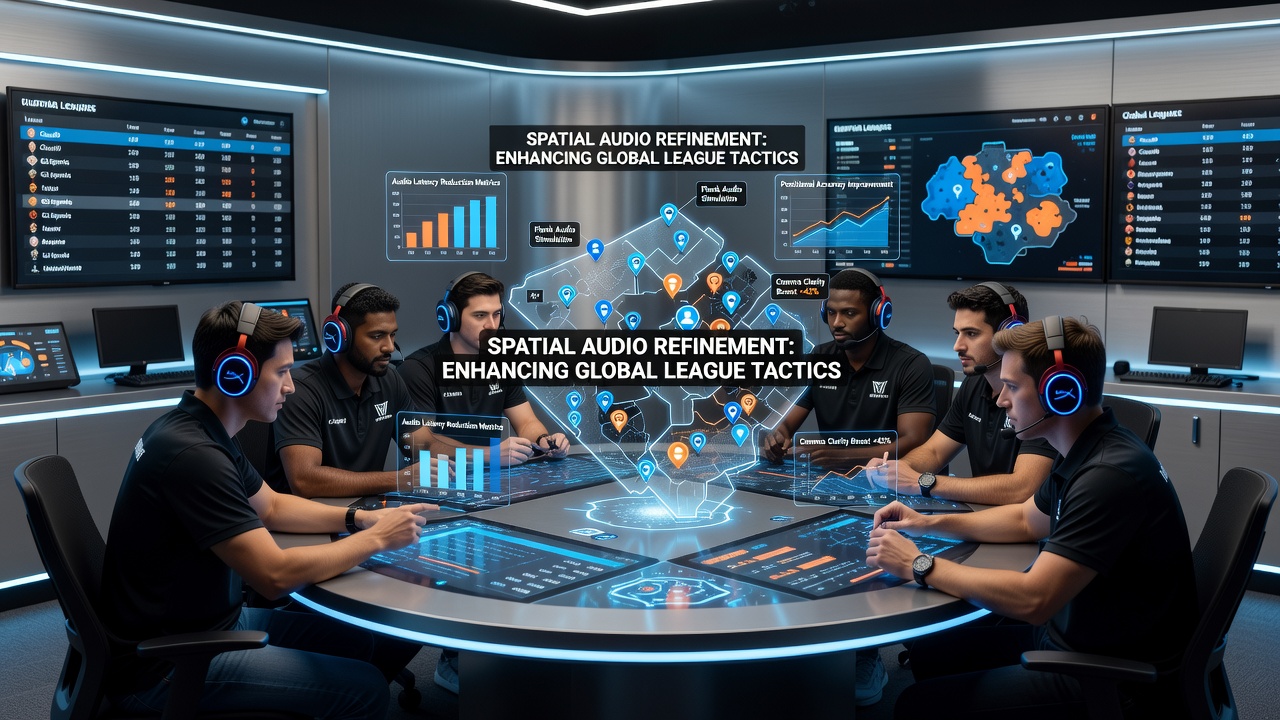
Competitive tactical shooters have integrated spatial audio systems that map sound positions with increasing precision, and this technology directly shapes how teams coordinate during matches across major leagues. Systems now deliver directional cues through binaural rendering and head-related transfer functions, allowing players to pinpoint footsteps, reloads, and utility deployments without relying solely on verbal descriptions. Data from league matches shows these tools reduce miscommunication errors by measurable margins in high-stakes rounds.
Core Technologies Driving Positional Awareness
Modern engines incorporate adaptive HRTF profiles that adjust to individual head shapes and ear anatomy, while hardware partnerships between audio chip makers and peripheral companies deliver low-latency processing. In August 2026 several international events tested updated middleware that blends real-time environmental occlusion with player movement data, creating layered soundscapes where distant threats register differently from nearby ones. Teams in leagues such as those sanctioned by the Esports Integrity Commission report faster response times when callouts reference specific azimuth and elevation angles rather than vague directions.
Players receive audio streams that simulate distance attenuation and surface reflections, and this information feeds directly into tactical decisions like rotating through sites or holding angles. Software updates rolled out earlier in the year introduced per-map calibration files that account for geometry changes in updated versions of titles like Counter-Strike 2 and Valorant, ensuring consistent acoustic behavior across tournament servers worldwide.
Impact on Communication Protocols
Analysts tracking professional play observe that squads now employ shorter, more precise verbal shorthand because spatial audio supplies the missing context. Instead of lengthy explanations, a single word combined with an accurate audio cue conveys enemy location and intent. Studies conducted at research institutions including the University of Sydney document how these systems correlate with improved win rates in objective-based scenarios, particularly when teams train extensively with calibrated headsets.
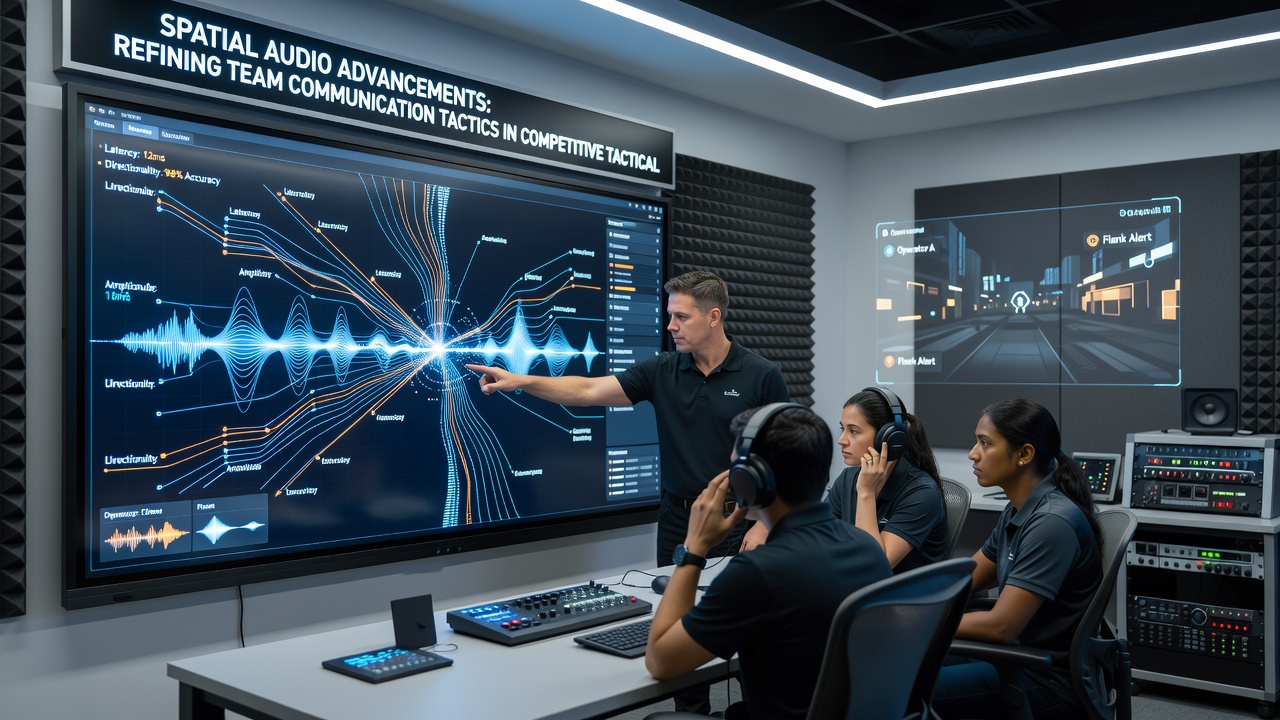
Coaches incorporate audio drills into preparation routines, and data logs from practice sessions reveal patterns where players who master elevation detection gain advantages in vertical maps. Global tournaments have standardized certain audio settings to maintain fairness, yet individual teams retain flexibility to tweak personal profiles within approved parameters. This balance lets squads develop signature communication styles while adhering to league rules on hardware consistency.
League-Specific Adaptations and Training
European circuits emphasize collective listening exercises that simulate in-game scenarios, whereas North American and Asian leagues focus on hardware standardization across roster members. Observers note that organizations investing in custom HRTF mapping see measurable gains in coordination during clutch situations. Figures released by industry groups tracking tournament statistics indicate fewer instances of overlapping callouts when spatial cues are reliable, freeing bandwidth for strategic discussion between rounds.
Training regimens now include blindfolded audio navigation tasks that isolate sound localization skills, and these methods translate to in-match performance where teams execute complex executes with minimal chatter. Software tools provided by developers allow post-match review of audio events synced to player positions, giving analysts concrete data on how sound influenced decision trees.
Hardware and Infrastructure Developments
Peripheral manufacturers have introduced headsets with embedded sensors that recalibrate spatial rendering on the fly based on head orientation, reducing disorientation during rapid movements. Tournament venues deploy standardized playback systems that match the acoustic characteristics of player setups, minimizing discrepancies between practice and competition environments. Partnerships between game studios and audio research labs continue to refine occlusion algorithms that accurately represent walls and barriers blocking sound propagation.
Network infrastructure upgrades ensure that audio packets maintain synchronization with visual frames even under high-latency conditions common in international qualifiers. Teams that master these integrated systems demonstrate tighter rotations and more effective utility usage because positional information arrives simultaneously through multiple sensory channels.
Conclusion
Spatial audio continues to evolve as a foundational element in tactical shooter competition, supplying teams with objective data that complements verbal coordination. Leagues worldwide have adapted rules and training methods around these capabilities, and ongoing hardware refinements promise further precision in the coming seasons. The integration of these technologies into daily practice routines underscores their role in shaping communication tactics that define high-level play across global circuits.