Reverse Engineering Projects Breathe New Life Into Abandoned Console Exclusive Titles via Open Source Communities
Eden Griffin · Aug 11, 2026
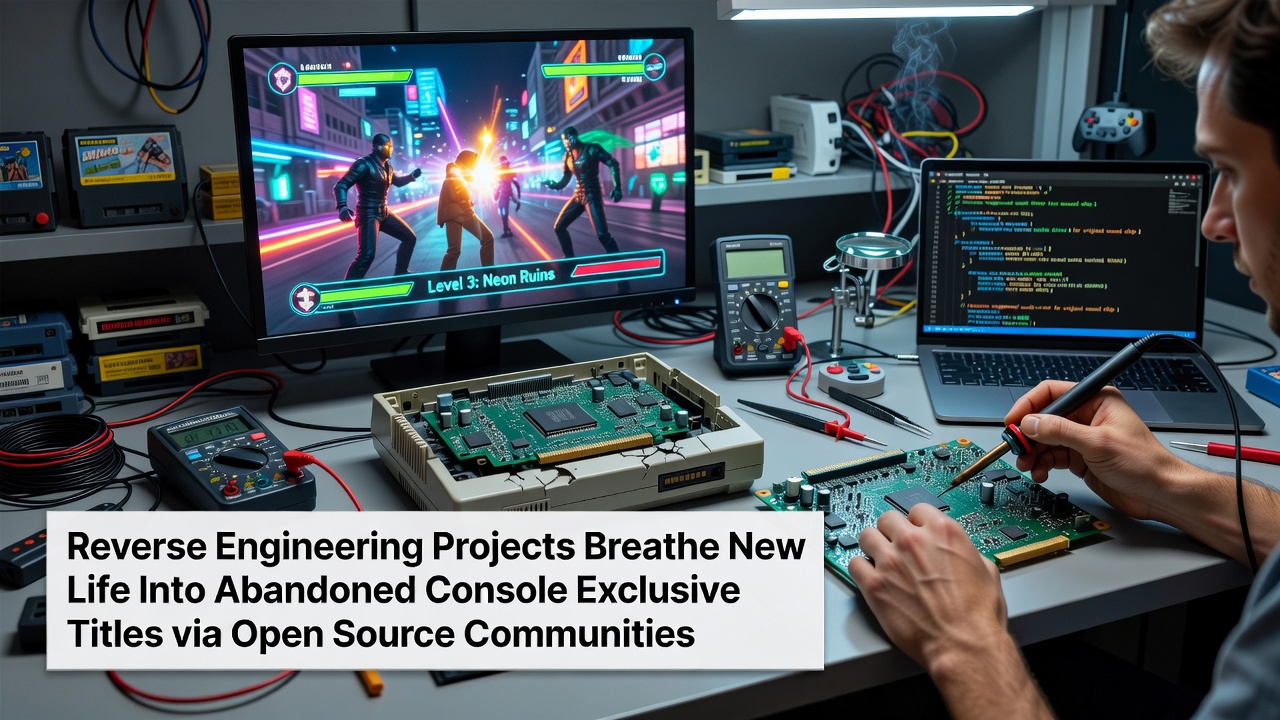
Reverse Engineering Projects Breathe New Life Into Abandoned Console Exclusive Titles via Open Source Communities
Reverse engineering initiatives have expanded significantly as open source communities focus on recovering abandoned console exclusive titles that once remained locked to discontinued hardware, and these efforts connect preservation goals with modern accessibility through shared code contributions and documentation. Data from gaming industry reports shows steady growth in such projects since the early 2020s, driven by volunteers who analyze binary files, reconstruct assets, and develop compatible engines for platforms ranging from PCs to current consoles.
Community Driven Approaches to Game Recovery
Teams working on these projects often begin with disassembly of original game binaries, followed by mapping out memory structures and identifying key functions that handle graphics rendering, input processing, and audio playback. Researchers at various institutions have documented how these steps allow developers to recreate functionality without relying on proprietary SDKs from the original manufacturers. And because many titles never received official ports, the work fills gaps left by publishers who moved on after hardware cycles ended.
Projects gain momentum when source code fragments surface through legal means or when dedicated reverse engineers publish findings on public repositories, and this transparency encourages global participation from programmers who specialize in different aspects like shader translation or network emulation. Observers note that coordination happens through forums, version control systems, and scheduled testing sessions that verify stability across hardware configurations.
Technical Methods and Tools in Use
Static analysis tools combined with dynamic debugging environments help teams trace execution paths in older console games, while custom scripts automate the extraction of textures, models, and level data into formats readable by contemporary engines. Evidence from multiple case studies indicates that these pipelines reduce manual labor and improve accuracy when recreating physics or AI behaviors that defined the original experience. But here's the thing: compatibility layers must account for differences in instruction sets and memory management between legacy systems and current processors.
August 2026 brought several updates to ongoing efforts, including refined support for titles that originally appeared on platforms from the mid-2000s, and community releases demonstrated playable builds that maintained frame rates and visual fidelity on updated hardware. Those who've studied these developments point to improvements in automated decompilation techniques that speed up the translation of assembly code into higher level languages.
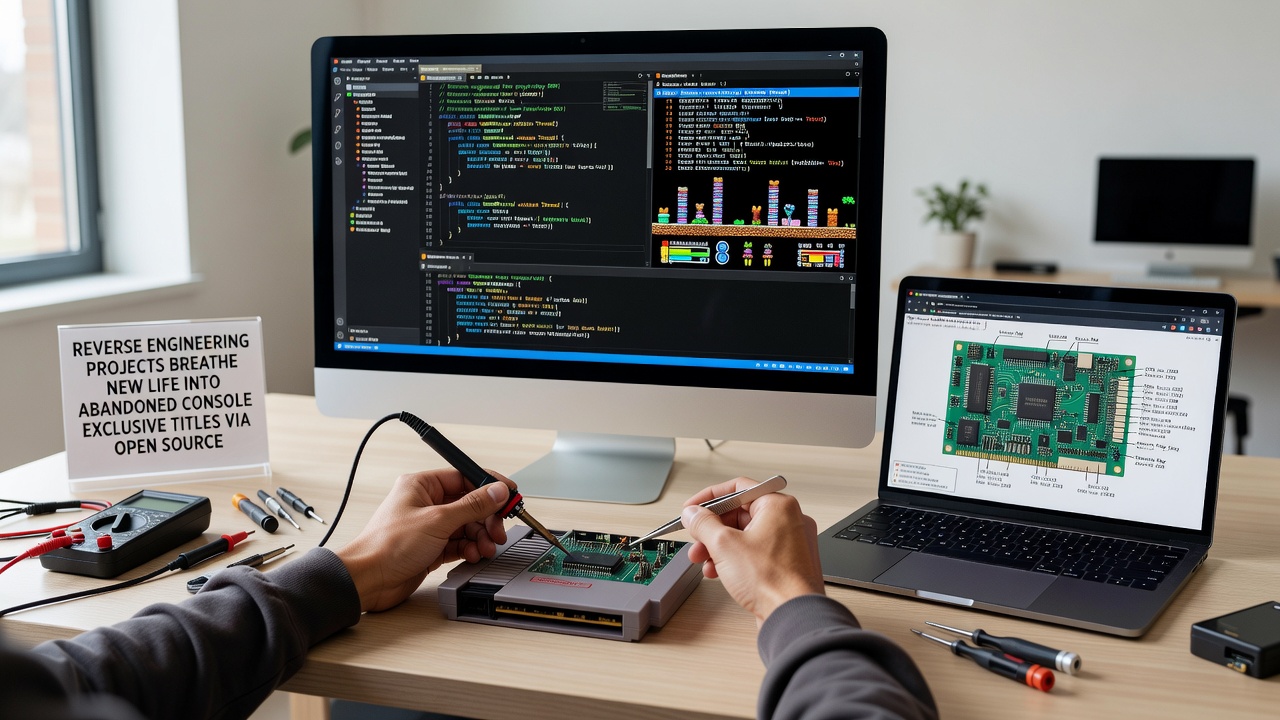
Preservation Outcomes and Distribution
Once functional builds reach stable states, communities package them with installers and configuration tools that simplify setup for end users who lack technical backgrounds, and distribution occurs through established open source channels that include version histories and contributor credits. Figures from digital preservation organizations reveal that such releases have extended the lifespan of dozens of exclusives that would otherwise require original hardware plus aging storage media prone to failure.
Legal frameworks in regions like the European Union and Canada support these activities when they focus on interoperability and archival purposes rather than commercial redistribution, and industry associations such as the International Game Developers Association have highlighted the role of open source work in maintaining cultural artifacts from gaming history. What's interesting is how these projects sometimes attract original developers who contribute insights or assets under permissive licenses.
Challenges Encountered During Implementation
Accuracy remains a core concern because even small deviations in emulation or reimplementation can alter gameplay mechanics that players remember precisely, and teams address this through extensive regression testing against recorded footage and original hardware captures. Data shows that projects with larger contributor bases complete verification cycles faster, yet coordination across time zones introduces delays that require careful project management.
Hardware specific quirks, such as unique texture compression formats or peripheral interfaces, demand specialized knowledge that not every volunteer possesses, so documentation efforts run in parallel with code development to onboard new participants. And while progress varies by title, the cumulative effect has produced reusable libraries that benefit subsequent reverse engineering attempts.
Broader Effects on Gaming Accessibility
Revived titles reach audiences who never owned the original consoles, and this expansion occurs without requiring physical media or region specific hardware that became scarce over time. Research indicates measurable increases in playtime statistics for certain exclusives after open source ports appeared, reflecting renewed interest from both longtime fans and newcomers exploring older design philosophies.
Academic studies on digital heritage, including work referenced by institutions in Australia, underscore the value of these community outputs for future analysis of game design evolution, and the resulting archives serve educational purposes in media studies programs worldwide. External contributions from legal scholars help clarify boundaries around fair use when documentation or partial assets become available through public records.
Conclusion
Reverse engineering through open source communities continues to unlock console exclusives that publishers abandoned, and the combination of technical skill, shared resources, and legal clarity sustains momentum across multiple projects. As hardware from past generations recedes further into obsolescence, these efforts provide structured pathways for recovery and distribution that align with preservation priorities established by both hobbyist groups and formal organizations. The pattern established so far suggests ongoing expansion as new tools and contributors join existing workflows.