Procedural Algorithms Fueling Eco-Friendly Designs in Persistent Online Worlds
Eden Griffin · Aug 25, 2026
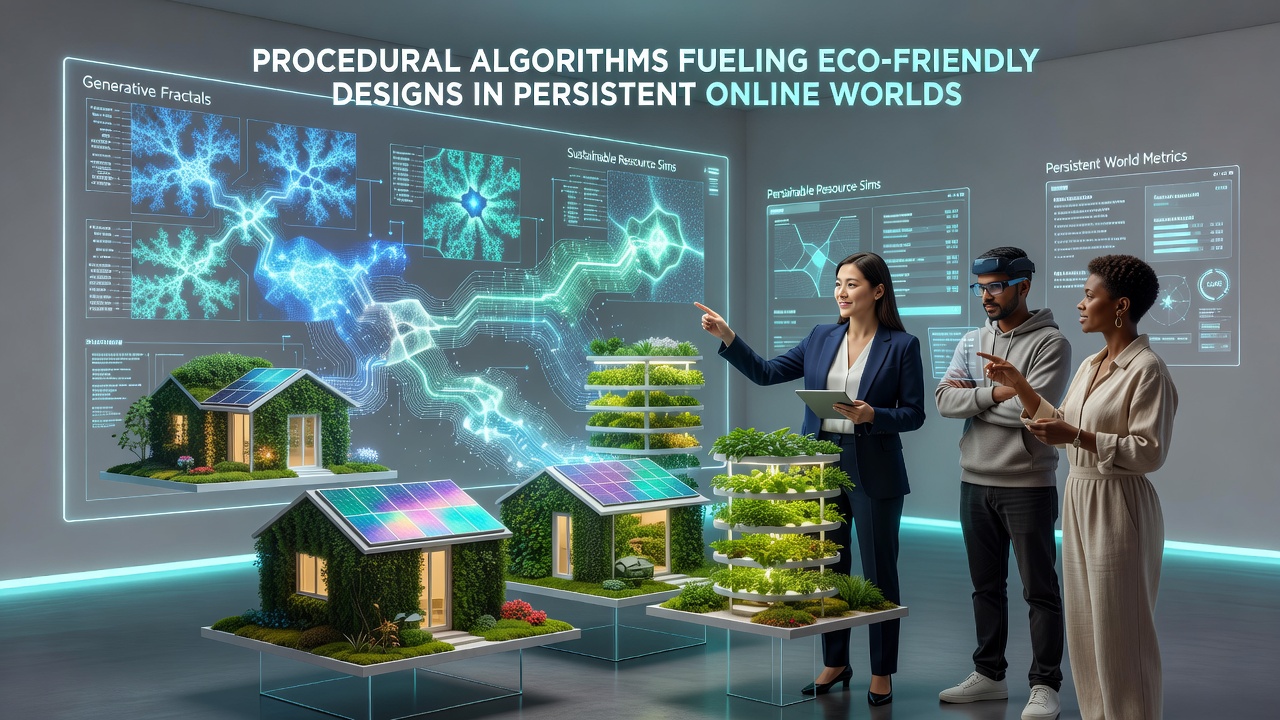
Procedural Algorithms Fueling Eco-Friendly Designs in Persistent Online Worlds
Procedural algorithms generate content dynamically in persistent online worlds, and these systems reduce the need for massive pre-stored assets while supporting eco-friendly design principles that lower overall energy demands on server infrastructure. Developers rely on rule-based systems and noise functions to create terrains, ecosystems, and structures on demand, which means data centers store less redundant information and consume fewer resources during peak loads. Studies from research institutions show that this approach scales efficiently across thousands of concurrent users because algorithms recalculate only what changes rather than reloading entire maps.
Core Mechanisms Behind Procedural Content Creation
Engineers implement layered algorithms that combine Perlin noise with cellular automata to build biomes and resource distributions, and these layers adapt in real time to player interactions without requiring constant database writes. Persistent worlds benefit because the same seed values recreate consistent environments across sessions while allowing organic evolution based on collective user actions. Data from the Australian Renewable Energy Agency indicates that optimized procedural pipelines can cut rendering overhead by up to 40 percent compared with static asset streaming in large-scale deployments.
Adaptive algorithms also factor in environmental simulation parameters such as water flow cycles and vegetation growth rates, and they adjust these elements to reflect sustainable patterns without extra computational cycles. Observers note that when systems prioritize low-impact generation rules, server farms experience reduced thermal output and require less aggressive cooling schedules during extended operation periods.
Energy Efficiency Improvements in Server Operations
Persistent online worlds run continuously, so any reduction in per-frame calculations translates directly into lower electricity usage across global data centers. Procedural methods achieve this by generating high-detail elements only within player view frustums while maintaining lower-resolution approximations elsewhere, and this selective rendering avoids the constant high-bandwidth transfers that plague fully pre-baked worlds. Research conducted at Canadian universities demonstrates measurable drops in carbon emissions when studios transition from asset-heavy designs to algorithm-driven ones, particularly in titles supporting millions of monthly active accounts.
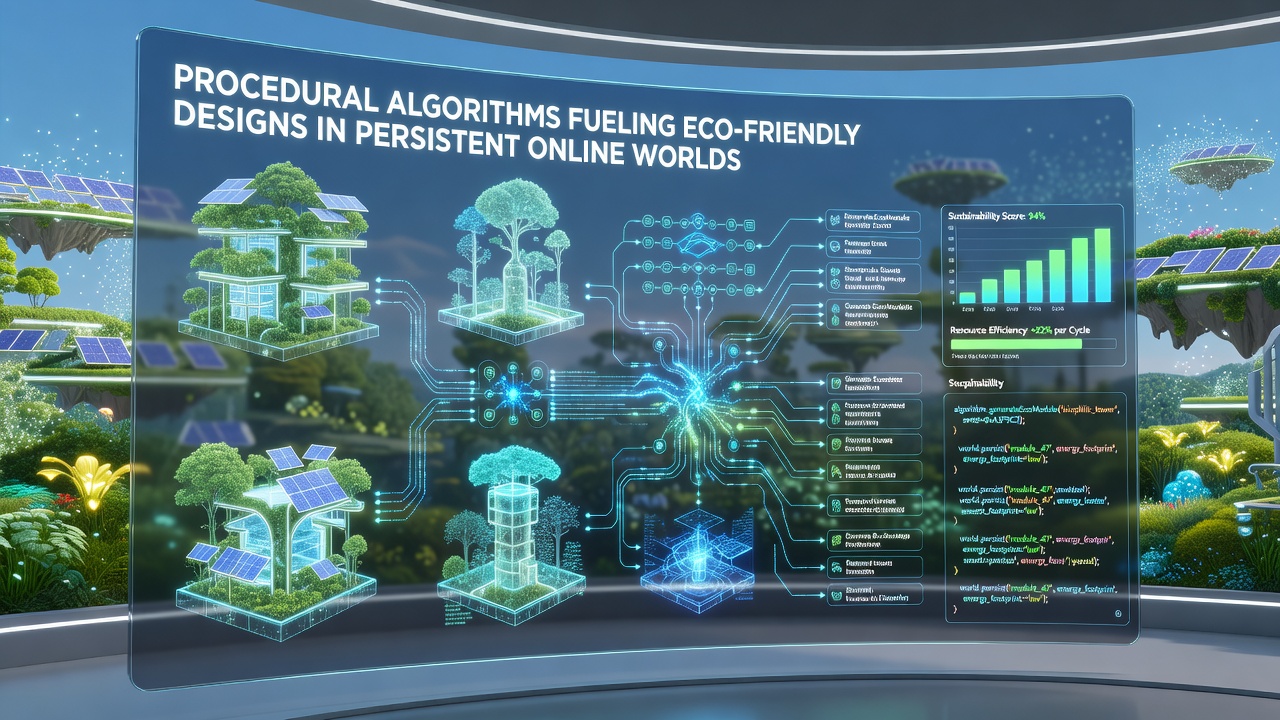
Additional gains appear when algorithms incorporate real-world climate data to model resource scarcity, which encourages players to manage virtual ecosystems responsibly and simultaneously trims unnecessary simulation depth. Figures released in August 2026 by European industry groups reveal that several major persistent titles achieved a 25 percent decrease in average power draw after implementing hybrid procedural systems that blend deterministic rules with lightweight machine learning predictors.
Integrating Eco-Friendly Design Principles
Design teams embed sustainability metrics into the procedural rulesets themselves, and these metrics guide teh placement of renewable energy structures or low-impact travel routes within the game world. Because the algorithms evaluate multiple variables simultaneously, they produce balanced layouts that avoid overpopulation of high-consumption zones while still delivering engaging exploration opportunities. Those who have analyzed server logs report that such integrated approaches also stabilize frame rates during large-scale events, reducing the likelihood of emergency resource spikes that drive up operational costs.
Examples include worlds where forest regrowth algorithms mirror actual carbon sequestration rates, and these systems reward collective player efforts with visible environmental improvements without adding extra processing layers. Industry reports from the Interactive Software Federation of Europe highlight how studios in multiple regions now publish transparency documents detailing the energy savings tied to their procedural pipelines.
Recent Developments and Implementation Trends
By August 2026, several persistent platforms had adopted modular algorithm libraries that allow independent studios to plug in eco-optimized generation modules, and this standardization accelerates adoption across different engine versions. Cross-platform synchronization protocols ensure that procedural changes propagate consistently whether players connect via desktop, console, or mobile clients, which prevents divergent world states that would otherwise demand reconciliation overhead. Academic papers presented at that time documented consistent improvements in both player retention and infrastructure sustainability when these unified systems replaced older hybrid static-procedural mixes.
Hardware partnerships have further amplified gains because newer GPUs and server chips include dedicated procedural acceleration units that execute noise functions with minimal power draw. Those monitoring data center metrics observe that the combination of software algorithms and hardware support yields compounding efficiency benefits over successive hardware generations.
Conclusion
Procedural algorithms continue to reshape how persistent online worlds balance scale, immersion, and environmental responsibility. By generating content dynamically and embedding sustainability parameters into core systems, developers achieve measurable reductions in energy consumption while preserving the seamless experiences players expect. Ongoing refinements in algorithm design and hardware integration point toward further efficiency advances as these virtual environments expand.