Probing energy-harvesting mechanisms in motion-driven peripherals that extend play sessions during global puzzle game leagues
Alex Perry · Aug 27, 2026
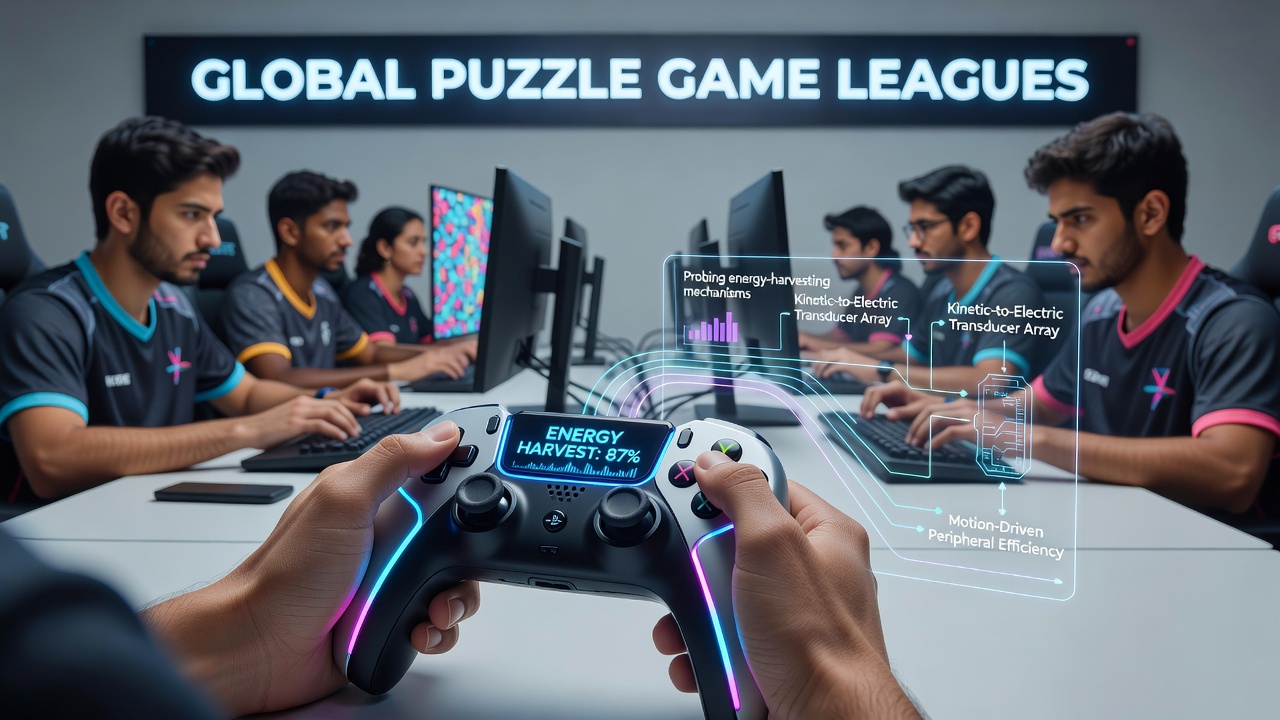
Probing energy-harvesting mechanisms in motion-driven peripherals that extend play sessions during global puzzle game leagues
Global puzzle game leagues have expanded rapidly through 2026, and competitors now rely on specialized peripherals that convert physical movements into usable electrical power. These motion-driven devices employ piezoelectric materials and electromagnetic generators to capture energy from controller tilts, button presses, and hand gestures common in puzzle-solving gameplay. Data from industry reports indicate that such systems can produce between 50 and 200 milliwatts during typical match durations, which extends battery life without external charging.
Core Mechanisms Behind Motion-Based Power Generation
Engineers integrate multiple harvesting techniques into single peripherals, while players remain unaware of the underlying processes during fast-paced rounds. Piezoelectric crystals embedded in analog sticks generate voltage each time pressure shifts occur, and electromagnetic coils surrounding moving parts create current through induction whenever the device accelerates. Studies conducted at research institutions across Europe and North America demonstrate that combining these approaches yields consistent output even when motion patterns vary between different puzzle titles.
Power management circuits route harvested energy directly to onboard capacitors or secondary batteries, and firmware algorithms prioritize delivery to wireless transmitters first. This setup maintains stable connections throughout extended matches, and observers note reduced drop rates in tournaments held during August 2026. Manufacturers calibrate sensitivity thresholds so that minimal movements still contribute power, yet excessive drain from high-intensity play does not overwhelm the system.
Deployment in International Puzzle Competitions
Leagues organized in Asia, the Americas, and Oceania have adopted these peripherals for their flagship events, and participants report uninterrupted sessions exceeding eight hours. Organizers specify equipment standards that include energy-harvesting requirements, which encourages teams to test devices under real competition conditions. One documented case involved a regional qualifier where wireless mice and controllers maintained full functionality without mid-match swaps, and event logs confirmed power levels stayed above operational thresholds throughout the day.
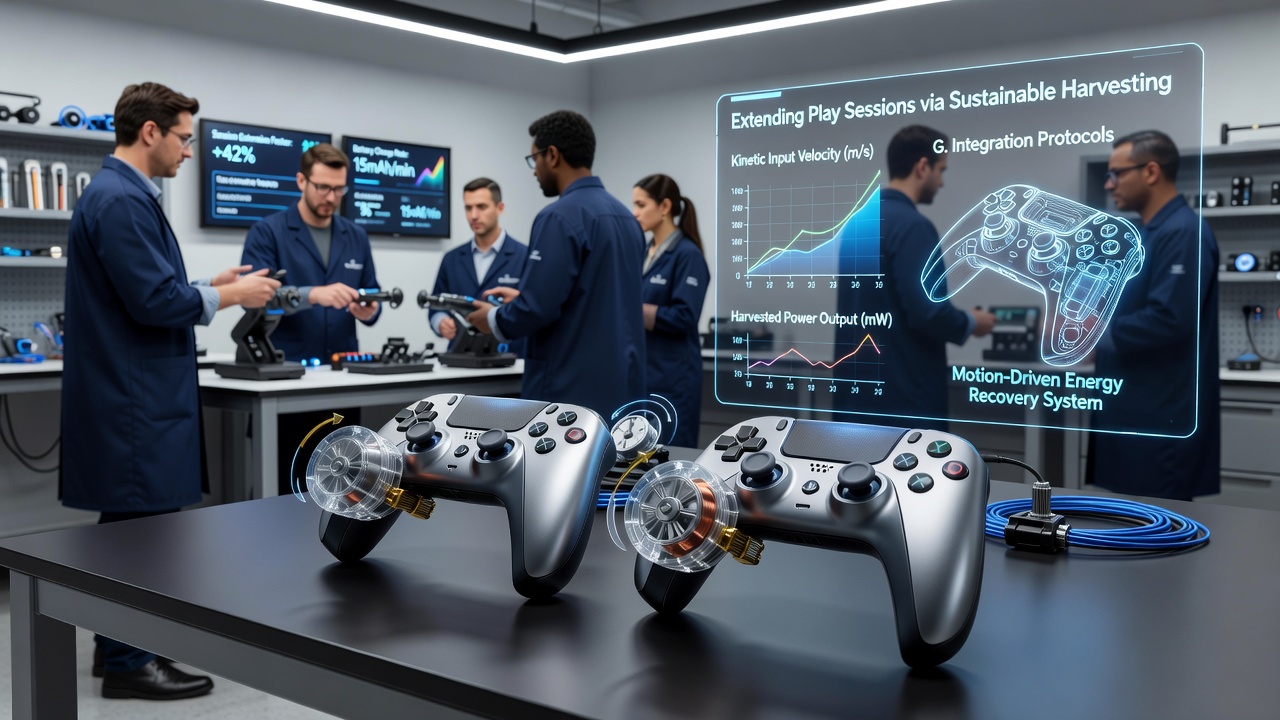
Software overlays track real-time energy collection rates, and coaches adjust player strategies accordingly to maximize generation opportunities. Puzzle mechanics that involve frequent rotations or rapid selections naturally produce more power than static holding patterns, and analysts have mapped these correlations across multiple game genres. Research published through academic channels shows average gains of 18 to 35 percent in total playtime compared with standard battery packs under identical usage loads.
Technical Challenges and Measured Improvements
Heat dissipation and component wear remain primary concerns during continuous operation, yet recent designs incorporate advanced materials that mitigate both issues. Vibration dampening layers protect sensitive electronics while still allowing energy capture, and thermal sensors trigger automatic throttling when temperatures rise beyond safe limits. Figures released by regulatory bodies in Australia and Canada reveal that certified peripherals meet strict efficiency benchmarks before approval for league use.
Wireless protocols have been optimized to reduce baseline consumption, and this change amplifies the benefits of harvested power. Teams now calibrate devices differently for qualification rounds versus finals, and data logs indicate that strategic motion patterns can further boost available energy reserves. Partnerships between hardware developers and tournament organizers continue to refine these integrations ahead of upcoming seasons.
Future Directions in Peripheral Energy Systems
Additional sensor fusion techniques are under evaluation to combine motion data with environmental inputs such as ambient light or temperature differentials. Early prototypes suggest hybrid systems could push operational times beyond current records, and preliminary tests at university labs have already demonstrated viability in controlled settings. League officials plan to incorporate updated standards that reflect these advances by early 2027.
Conclusion
Energy-harvesting mechanisms in motion-driven peripherals now form a standard element of professional puzzle gaming infrastructure. Continued refinement of piezoelectric and electromagnetic technologies supports longer matches across global leagues, and measured performance gains confirm their practical value. As events evolve through the remainder of 2026, these systems are expected to remain central to equipment specifications and competitive preparation.