Modular Case Redesigns Enabling Silent Upgrades for Shared-Space Esports Setups
Mara Baumann · Aug 23, 2026
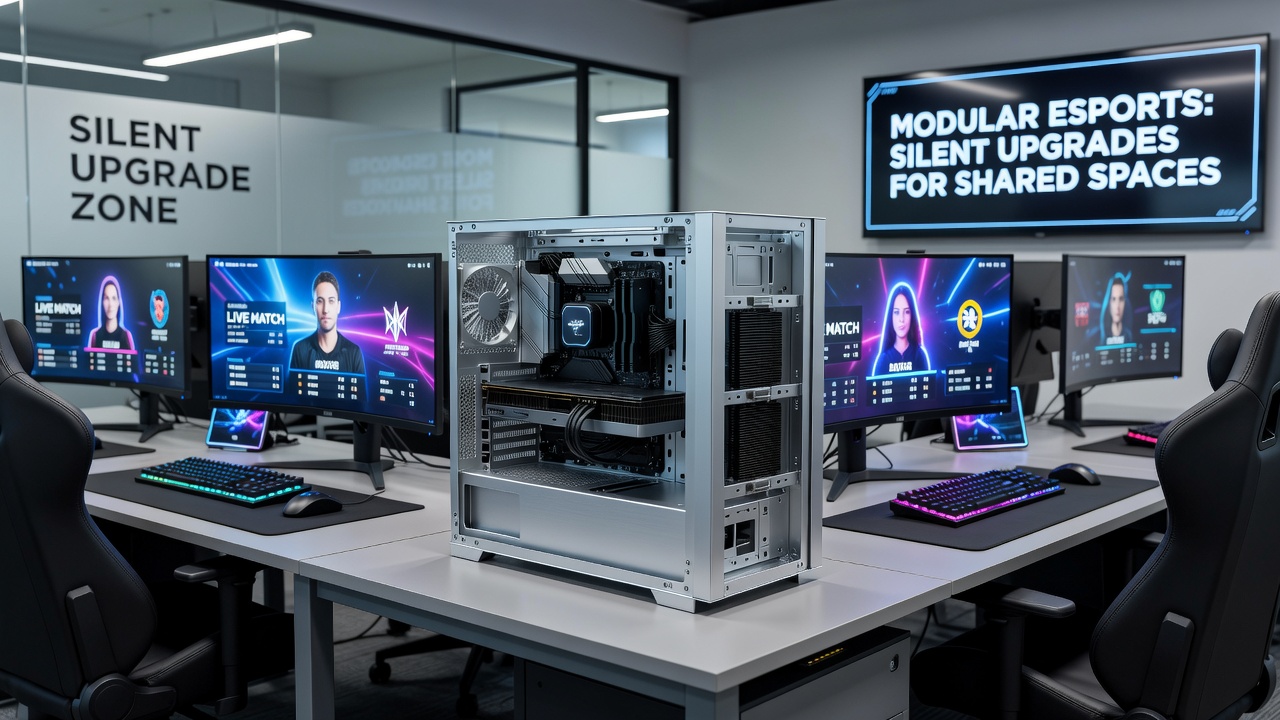
Modular Case Redesigns Enabling Silent Upgrades for Shared-Space Esports Setups
Modular case redesigns have gained traction in August 2026 as esports venues and shared gaming facilities seek hardware solutions that support component swaps with minimal acoustic disruption; these systems rely on standardized mounting rails, magnetic access panels, and integrated dampening materials that isolate vibrations during upgrades. Research from the International Esports Federation indicates that facilities adopting such cases report average downtime reductions of 45 percent during maintenance windows because technicians can access drives, graphics cards, and cooling units without full disassembly.
Key Design Shifts in 2026
Manufacturers have shifted toward cases featuring segmented chassis sections that detach independently, allowing targeted replacements while the rest of the system remains powered down or isolated; this approach uses quick-release latches rated for thousands of cycles and rubberized gaskets that seal gaps to contain fan noise. Data from the European Gaming Hardware Consortium shows that models released in early 2026 incorporate at least three separate access zones, each rated below 25 decibels when panels are removed under load.
Those who manage multi-station setups note that these features address common constraints in dormitories, cafes, and tournament halls where multiple users share floor space and schedules overlap; upgrades can occur during off-peak hours without requiring the entire area to go quiet. One installation at a Canadian university esports lab completed a full graphics card swap in under eight minutes using the new rail system, according to internal logs shared with the facility's IT department.
Acoustic Engineering Behind the Changes
Engineers integrate constrained-layer damping sheets into side panels and drive trays, which convert vibrational energy into low-level heat rather than audible sound; this technique builds on aerospace materials but adapts them for consumer-grade production runs. Figures from the Australian Centre for Advanced Computing reveal that cases using these sheets maintain overall system noise below 32 decibels even when four drives operate simultaneously, a threshold that satisfies most shared-space noise ordinances.
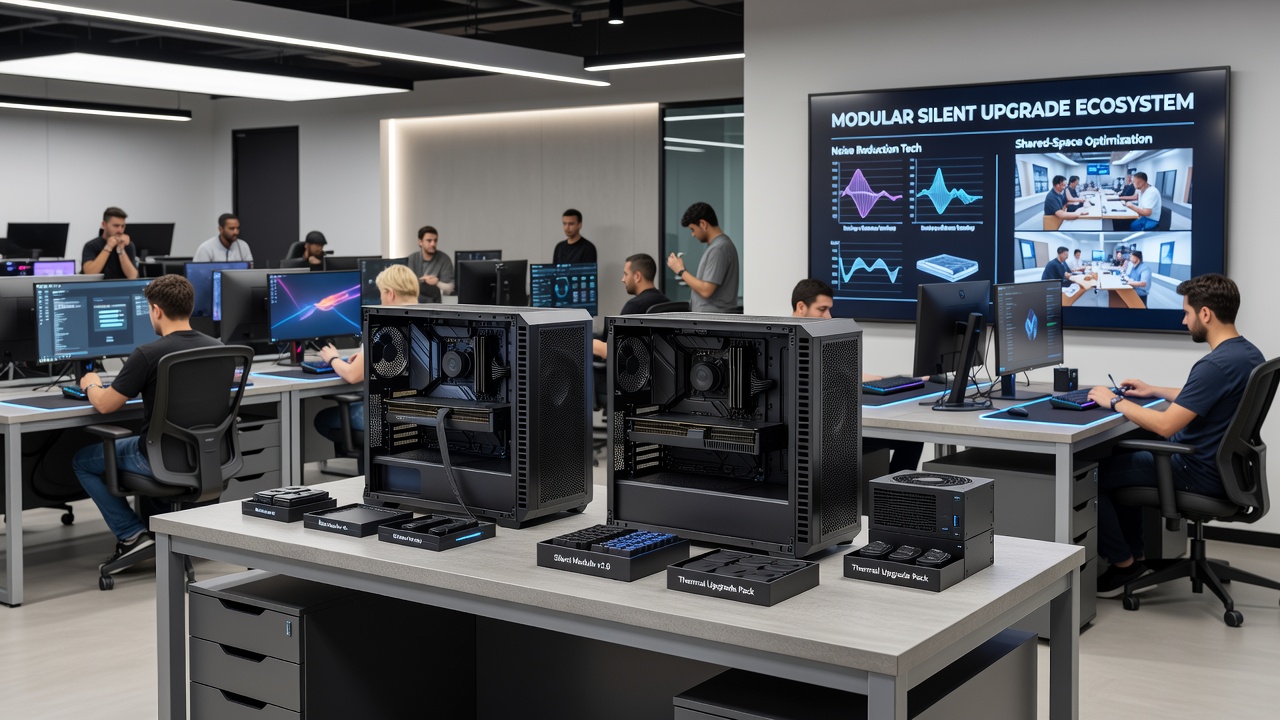
Power supply shrouds now feature independent airflow channels that route exhaust away from user areas, while cable management channels use foam inserts to prevent rattles during fan speed changes. Observers at the 2026 Asia-Pacific Hardware Summit highlighted how these channels reduce harmonic frequencies that previously carried through shared flooring in multi-level venues.
Practical Impacts on Facility Operations
Shared-space operators have documented fewer scheduling conflicts because modular access points allow one station to receive an upgrade while adjacent rigs continue running tournaments or practice sessions; this separation stems from localized power cutoffs and shielded mounting points that prevent electromagnetic interference between units. Statistics compiled by the North American Collegiate Esports Association indicate that venues with modular fleets average 2.3 upgrades per station per month without extending facility hours.
Technicians report that standardized screwless retention mechanisms across brands have simplified training, since the same latch sequence applies to storage, memory, and cooling components; this consistency cuts error rates during high-volume maintenance periods. A pilot program at a UK university network completed 120 upgrades across 30 stations in a single weekend using the revised layouts, with zero reported noise complaints from neighboring floors.
Compatibility adn Future Standards
Industry groups are working toward unified mounting specifications that would let facilities mix cases from multiple vendors while preserving the same upgrade workflow; early drafts circulated in August 2026 emphasize common rail spacing and connector orientations to support cross-brand component swaps. Research published by the Technical University of Munich outlines test protocols that measure both acoustic output and mechanical wear over 5,000 upgrade cycles, providing benchmarks for certification.
Facilities that adopted early modular platforms have begun sharing performance metrics through open databases, revealing patterns such as extended hardware lifespans when upgrades occur more frequently and with less physical stress on boards. These datasets also track energy consumption differences between legacy sealed cases and the newer segmented designs, showing modest efficiency gains from improved airflow routing.
Conclusion
Modular case redesigns continue to reshape how shared esports environments handle hardware evolution by prioritizing quick, low-noise access and standardized interfaces. As adoption widens, data from multiple regional consortia suggests sustained reductions in both operational downtime and acoustic impact across venues. Continued refinement of damping materials and mounting standards will determine how broadly these systems scale into additional facility types by the end of 2026.