How Sensor Fusion Technology in Modern Controllers Enhances Precision in Global Rhythm Game Tournaments
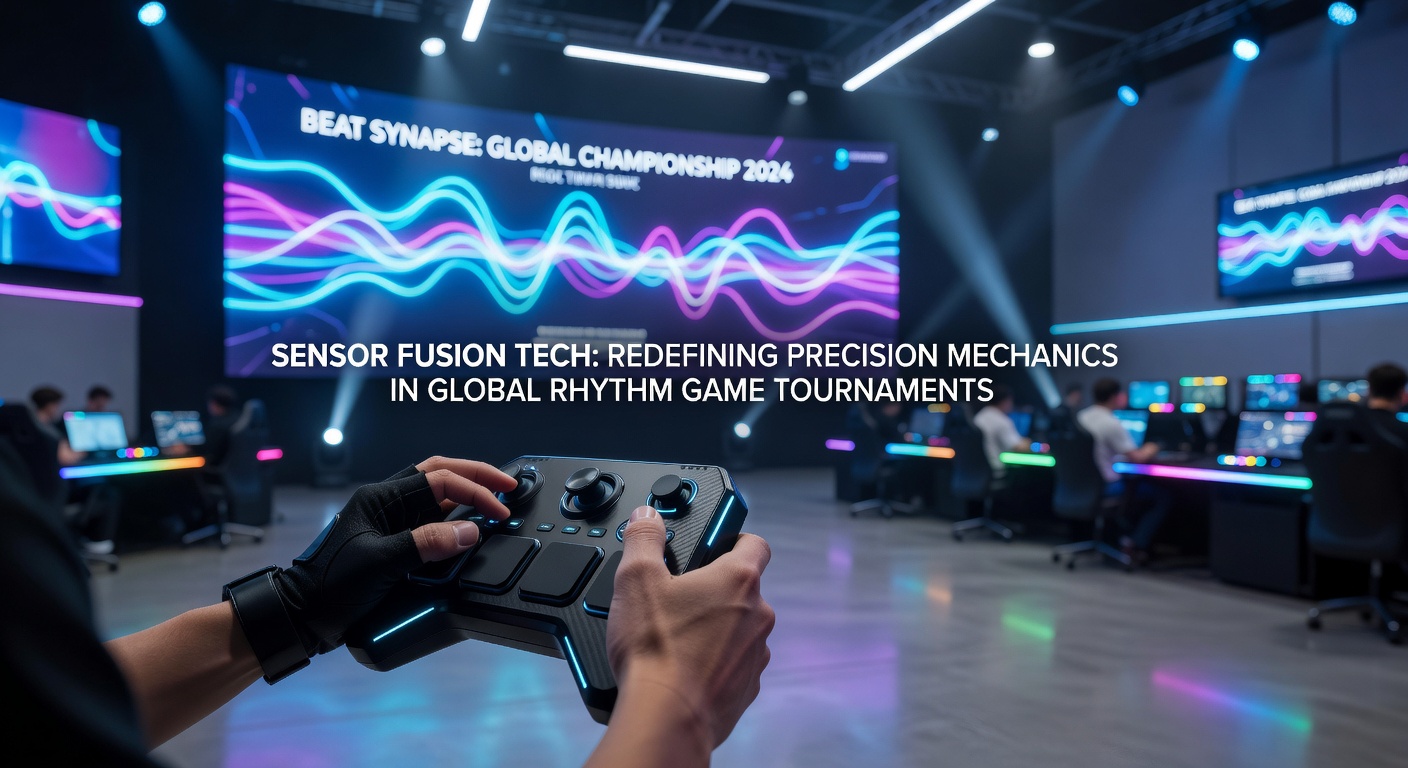
Competitive rhythm gaming has evolved into a global spectacle where split-second timing determines winners across events like osu! World Cup finals and Dance Dance Revolution championships, and sensor fusion technology now sits at the core of that evolution. Modern controllers combine data streams from accelerometers, gyroscopes, and magnetometers to create accurate motion profiles, which players rely on during high-stakes performances. This integration allows systems to filter noise from raw signals while delivering consistent readings even when competitors move quickly or change grip positions mid-song.
Core Mechanics Behind Sensor Fusion in Gaming Hardware
Engineers design sensor fusion algorithms that merge inputs from multiple inertial measurement units into a single coherent output, and this process occurs in milliseconds to match the tempo demands of complex beat maps. Data from one sensor corrects drift in another, while calibration routines run automatically during gameplay sessions to maintain accuracy over long tournaments. Researchers at institutions across North America and Europe have documented how these techniques reduce input variance by measurable margins compared with single-sensor setups, and figures from industry testing show latency drops below five milliseconds in optimized hardware.
Players notice the difference when executing rapid note sequences because the controller registers subtle tilts and rotations without introducing artificial lag or jitter. In practice, the system weights each sensor reading based on current conditions, such as hand speed or ambient magnetic interference, which keeps performance stable across varied venue environments.
Global Tournament Applications and Real-World Deployment
International circuits now incorporate controllers equipped with advanced fusion modules in events spanning Asia, Europe, and the Americas. Organizers at major series have observed tighter score distributions in qualifying rounds when competitors use hardware that processes combined sensor data, and this consistency helps judges focus on player skill rather than equipment variability. One study from an Australian digital gaming research group highlighted how fusion-enabled devices improved hit registration rates in rhythm titles by aligning physical inputs more precisely with on-screen timing windows.
What's interesting here is the way these controllers adapt to different game engines without requiring custom firmware for each title, which streamlines setup for traveling professionals. During practice sessions leading into larger brackets, athletes report fewer missed inputs on technical passages because the technology compensates for minor hand tremors or controller orientation shifts that older devices would amplify.
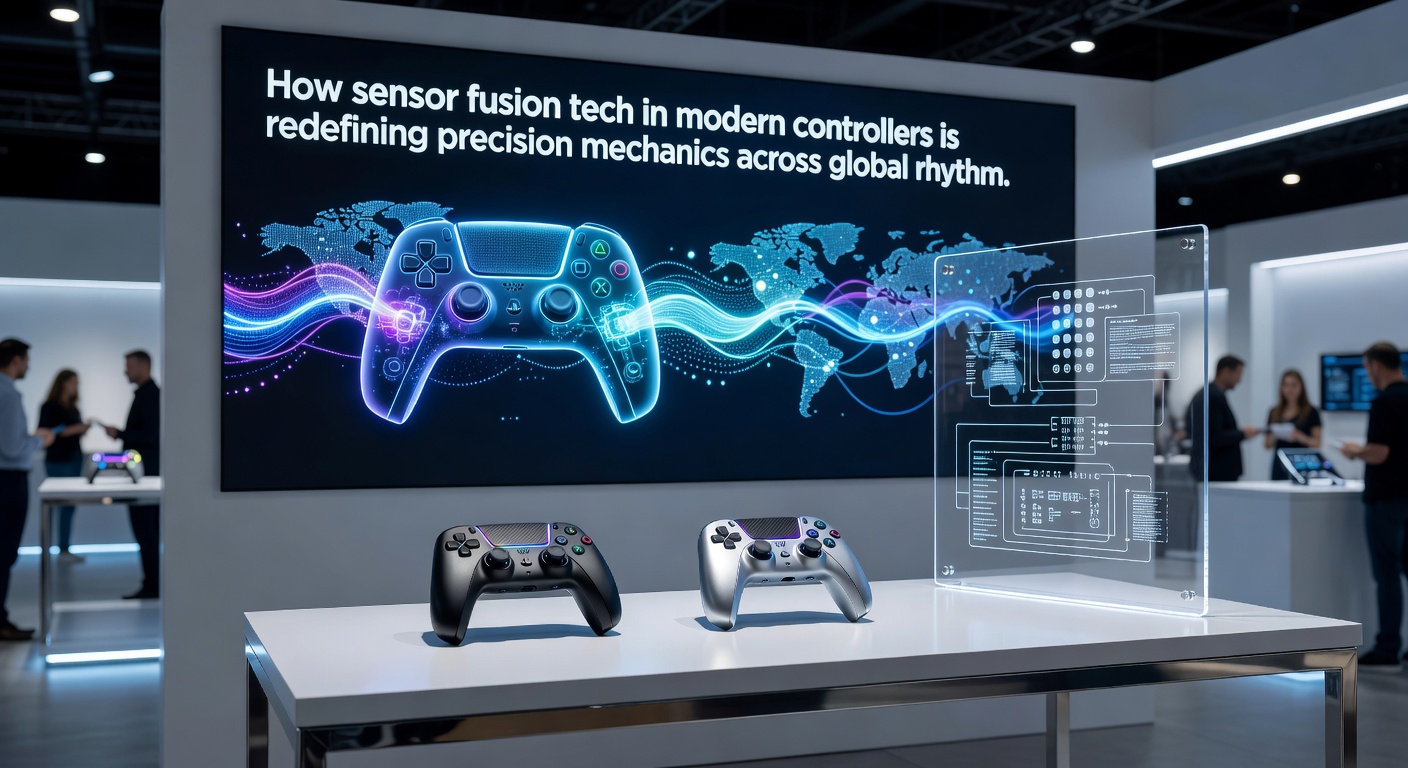
European esports associations have begun including sensor calibration checks in their equipment verification protocols, and this step ensures fair play when athletes arrive with personal controllers. Data collected at recent qualifiers indicates that fusion systems maintain performance stability even after hours of continuous use, which matters during extended multi-day competitions where fatigue can affect manual inputs.
Developments Expected Through Mid-2026
Tournament schedules set for May 2026 already list several regional finals that will feature updated controller firmware emphasizing multi-sensor fusion, and preliminary reports from hardware partners suggest further refinements in magnetic field compensation for indoor arenas. These upgrades build on existing frameworks that blend gyroscope data with accelerometer readings to track rotational velocity more reliably during fast-paced tracks. Observers note that such advancements allow organizers to host larger participant pools without concerns over hardware inconsistencies skewing results.
Academic papers from Canadian research centers have examined how fusion algorithms handle edge cases like rapid direction reversals common in certain rhythm map styles, and their findings point to improved error correction rates that directly benefit competitive scoring. Teams preparing for upcoming events incorporate these insights into training regimens so players can leverage the full precision range offered by current-generation devices.
Conclusion
Sensor fusion continues to reshape how precision mechanics function in rhythm game tournaments by delivering reliable, low-latency input across diverse global stages. As hardware evolves and calibration standards become more uniform, competitors gain tools that emphasize skill execution over technical limitations. The pattern emerging from recent circuits shows steady adoption that aligns with broader trends in esports hardware development.