How Neural Rendering Pipelines Enable Real-Time Facial Animation Upgrades in Legacy Fighting Game Engines
Elena Zimmermann · Aug 18, 2026
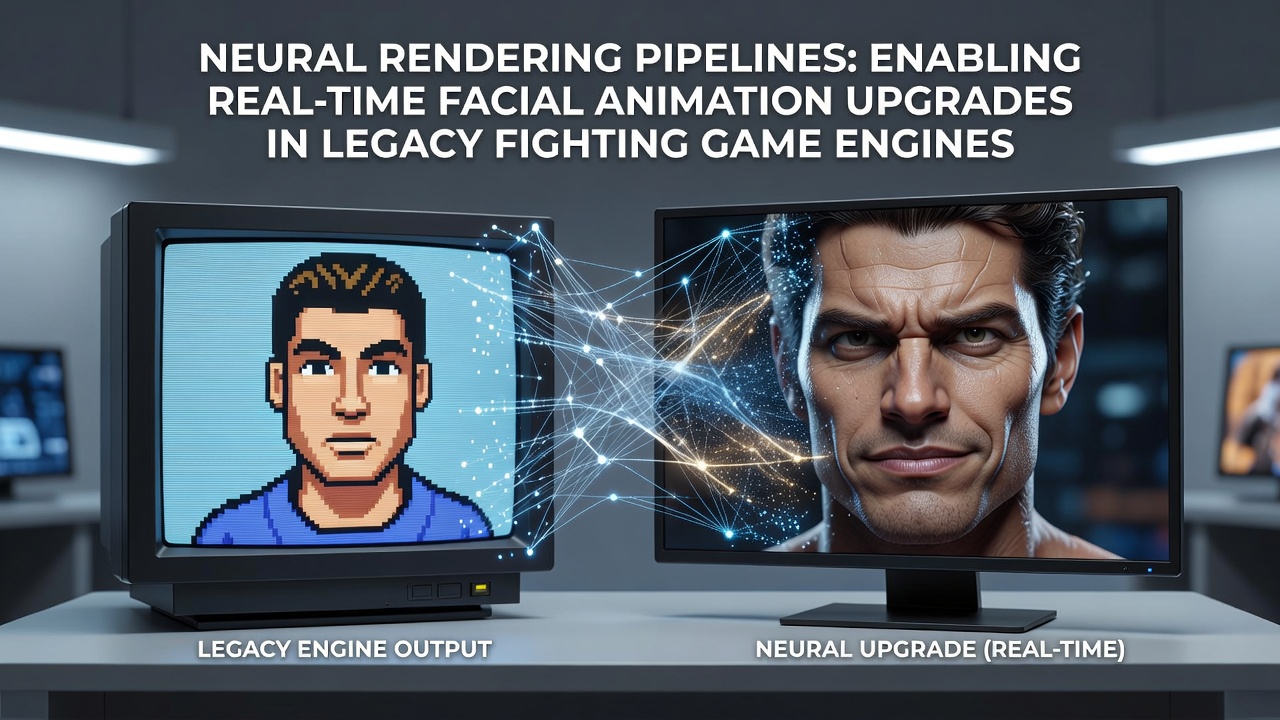
How Neural Rendering Pipelines Enable Real-Time Facial Animation Upgrades in Legacy Fighting Game Engines
Neural rendering pipelines have started transforming how developers approach facial animation in older fighting game engines, particularly those built for systems from the early 2000s through the mid-2010s, and data from industry reports in August 2026 shows growing adoption rates across multiple studios.
These pipelines combine machine learning models with traditional rasterization techniques, allowing real-time generation of facial expressions that adapt to player inputs without requiring full engine rewrites, while researchers at institutions like the University of Tokyo have documented efficiency gains in rendering complex muscle simulations.
Core Components of Neural Rendering for Animation
Neural rendering relies on techniques such as neural radiance fields and Gaussian splatting to synthesize facial geometry and textures on the fly, and this approach integrates with legacy engines through middleware layers that handle inference on modern GPUs without altering core rendering loops.
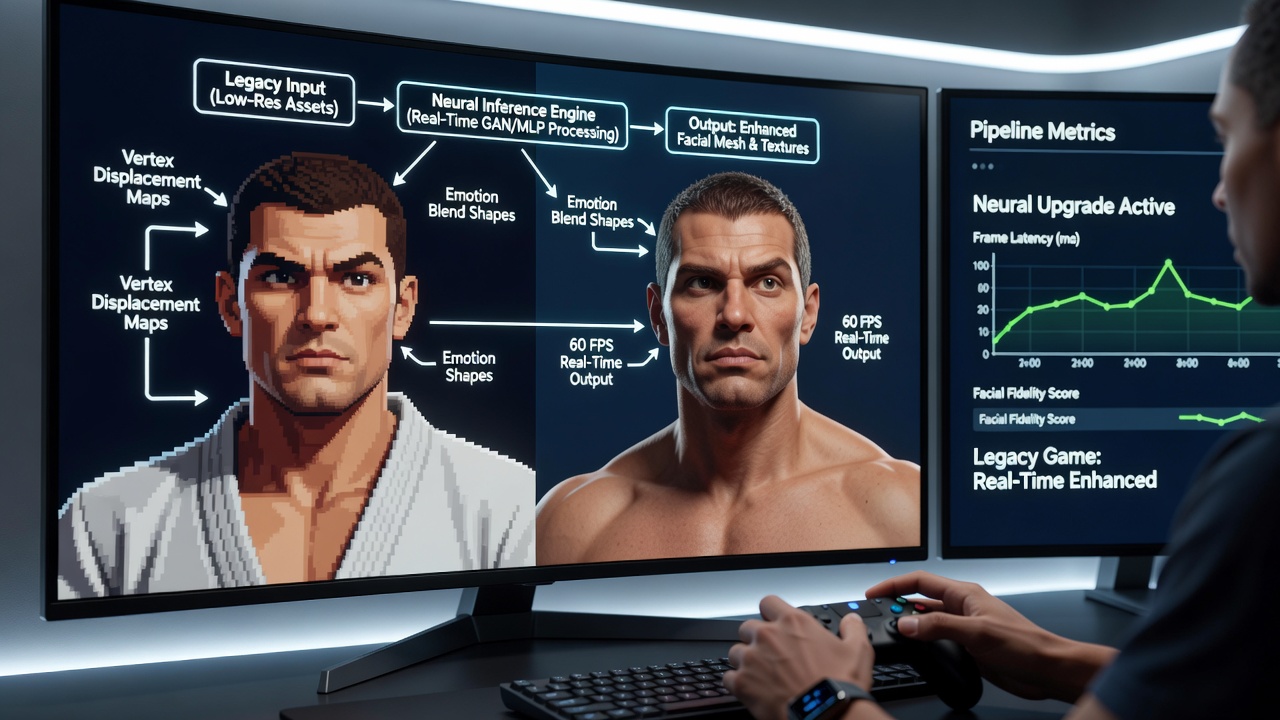
Engineers often insert these components after the existing animation blending stage, where models trained on motion capture datasets predict subtle deformations like eyelid movements or lip sync that older skeletal systems could not achieve at high frame rates.
Integration Challenges in Older Fighting Game Architectures
Legacy engines from titles like early Street Fighter or Tekken iterations typically use fixed animation trees and limited vertex buffers, yet neural pipelines overcome these constraints by offloading facial computations to dedicated inference threads that run parallel to the main simulation loop.
Studies indicate that synchronization between neural outputs and legacy physics systems remains critical, because mismatches in timing can produce artifacts during rapid combos, adn developers address this through buffer interpolation methods that maintain consistency across 60 frames per second.
But here's teh thing that multiple case studies reveal: teams working on remastered versions have reported successful upgrades by training lightweight models on character-specific datasets, which reduces memory overhead while preserving the original engine's character rigging.
Performance Data and Implementation Examples
Figures from recent benchmarks show that neural-enhanced facial systems achieve sub-5 millisecond inference times on current hardware when optimized for engines like Capcom's older MT Framework variants, and this allows upgrades without dropping below target frame rates during intense matches.
One development group applied these methods to update character reactions in a 2012-era fighting title, where the neural layer generated dynamic sweat and bruise effects based on hit data, and the integration required only minor shader modifications rather than engine overhauls.
What's interesting is how academic sources such as those published through SIGGRAPH proceedings detail similar workflows, emphasizing the role of quantized neural networks that fit within the memory budgets of legacy platforms.
Broader Industry Adoption Patterns
Trade organizations tracking gaming technology note increased use of these pipelines in competitive fighting game scenes, where precise facial cues help convey character intent during tournaments, and European research collaborations have contributed open datasets that accelerate model training for diverse fighter archetypes.
Canadian labs have explored hybrid approaches combining neural rendering with traditional blendshapes, yielding results that maintain compatibility with older netcode structures while enhancing visual feedback for spectators.
Conclusion
Neural rendering pipelines continue to bridge gaps between outdated engine limitations and modern animation expectations in fighting games, supported by ongoing refinements in model efficiency and hardware acceleration. Data collected through August 2026 underscores measurable improvements in real-time performance, pointing to expanded applications as more studios adopt these methods for preserving and enhancing classic titles.