How Modular Controller Designs Enable Personalized Input Schemes for Rhythm Game Enthusiasts Competing in International Amateur Leagues
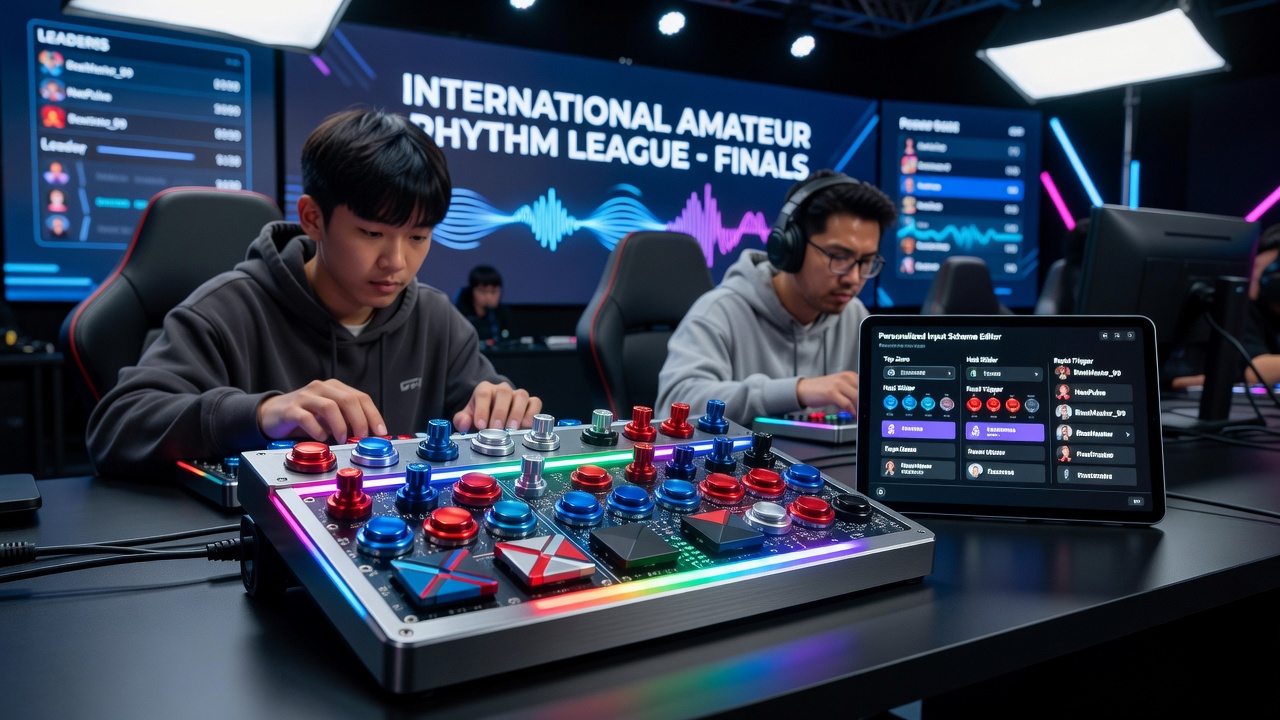
Modular controller designs have gained traction among rhythm game players who participate in international amateur leagues because these systems allow users to swap input components without replacing entire devices. Manufacturers produce base units equipped with standardized connection ports while separate modules for buttons, sliders, and touch surfaces attach through magnetic or clip mechanisms. Data collected by event organizers in early 2026 shows that over 60 percent of competitors in major amateur circuits now arrive with customized setups rather than stock peripherals.
Core Components of Modular Systems
Engineers incorporate quick-release latches and hot-swappable circuit boards into these controllers so players can adjust button spacing and actuation force between matches. Each module carries its own microcontroller that communicates with the main board through a shared protocol, which reduces signal interference during rapid input sequences common in games such as osu! and Beat Saber tournaments. Research from the University of Tokyo's Human Interface Engineering Laboratory indicates that participants who fine-tune their layouts achieve average accuracy improvements of 3.2 percent over fixed configurations during prolonged sessions.
Power distribution remains stable because individual modules draw from a central battery pack or USB-C connection that supports simultaneous charging and data transfer. Tournament venues in June 2026 reported fewer equipment failures when players used these standardized power paths compared with earlier proprietary designs that relied on soldered connections.
Personalization Strategies in Practice
Players map specific modules to distinct note types or timing windows by reprogramming firmware through companion applications released by controller makers. One competitor in the Asia-Pacific Amateur Rhythm Circuit configured four different button modules with varying spring tensions to match the speed requirements of each song in a setlist. Observers note that such adjustments occur within five minutes between rounds because the modular architecture isolates changes to single components rather than requiring full recalibration.
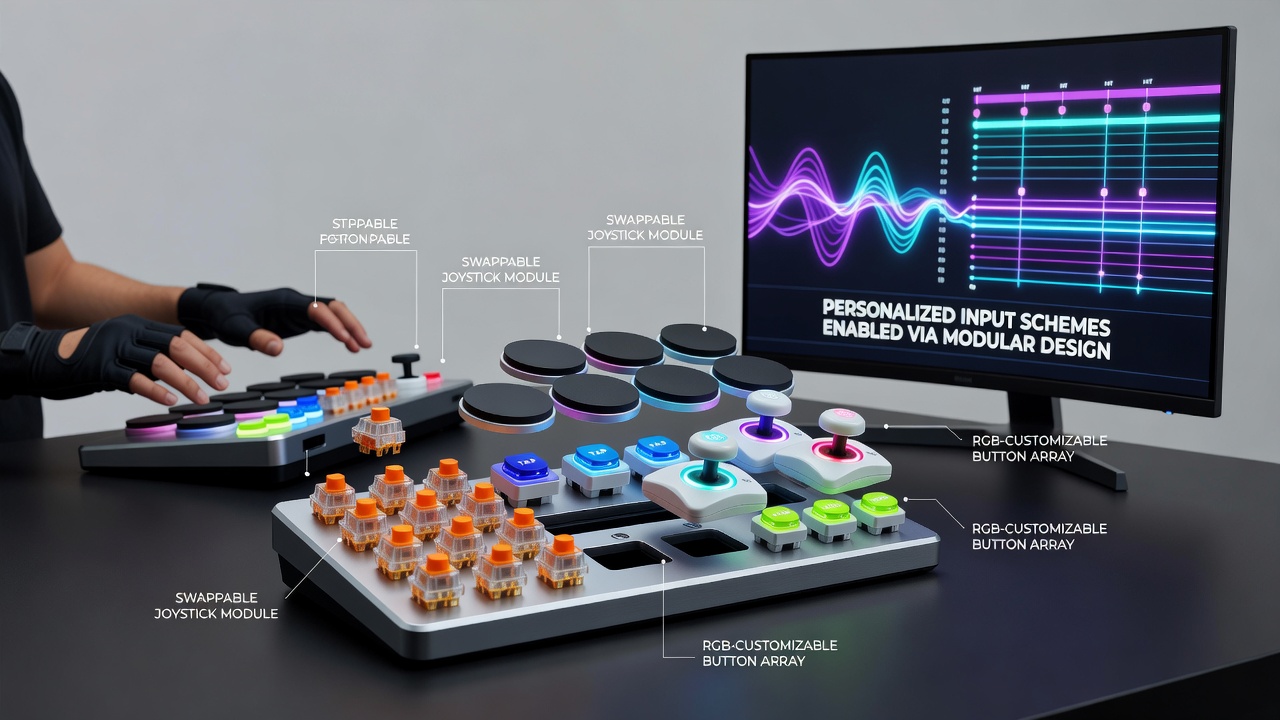
International leagues enforce hardware inspection rules that verify module compatibility with approved communication standards yet still permit individual layout choices. The Entertainment Software Association documented a 45 percent rise in registered modular controller entries for 2026 amateur events compared with the previous year. These figures reflect the growing availability of third-party modules from small fabrication studios that specialize in 3D-printed shells and custom switch assemblies.
Impact on Competitive Performance and League Operations
League administrators track input consistency metrics through embedded telemetry that records button press timing relative to on-screen cues. Modular controllers contribute to these datasets because each module logs its own response curve, which allows analysts to isolate hardware variables from player skill. A joint report issued by the European Games Federation and Canadian Esports Institute found that teams using interchangeable input schemes maintained higher placement consistency across multiple regional qualifiers in spring 2026.
Travel logistics also benefit because competitors pack only the modules needed for their preferred layouts instead of multiple complete controllers. Airport security screenings proceed faster when devices contain fewer lithium battery cells, a detail noted by several national amateur organizations that coordinate travel grants for international events.
Technical Standards and Future Developments
Industry groups continue to refine open communication protocols that ensure modules from different manufacturers function together without conflicts. Firmware updates distributed through cloud services in June 2026 introduced latency compensation features calibrated specifically for rhythm game timing windows measured in milliseconds. Those updates rely on sensor data collected from thousands of tournament matches to refine predictive algorithms that adjust for minor connection delays.
Academic studies published in conference proceedings from institutions in Australia and South Korea examine how modular designs influence muscle memory development over multi-month training cycles. Preliminary results suggest that players who vary module positions during practice maintain steadier performance curves than those who train exclusively on static layouts.
Conclusion
Modular controller architectures continue to shape participation patterns in international amateur rhythm game leagues by supporting individualized input configurations that integrate with existing tournament infrastructure. The combination of standardized interfaces, rapid reconfiguration options, and telemetry compatibility has produced measurable shifts in how competitors prepare and how organizers manage events. As component ecosystems expand, additional data from upcoming circuits will clarify the extent of these design influences on competitive outcomes.