Decoding the Evolution of Input Latency in Wireless Peripherals for Precision-Based Competitive Shooters
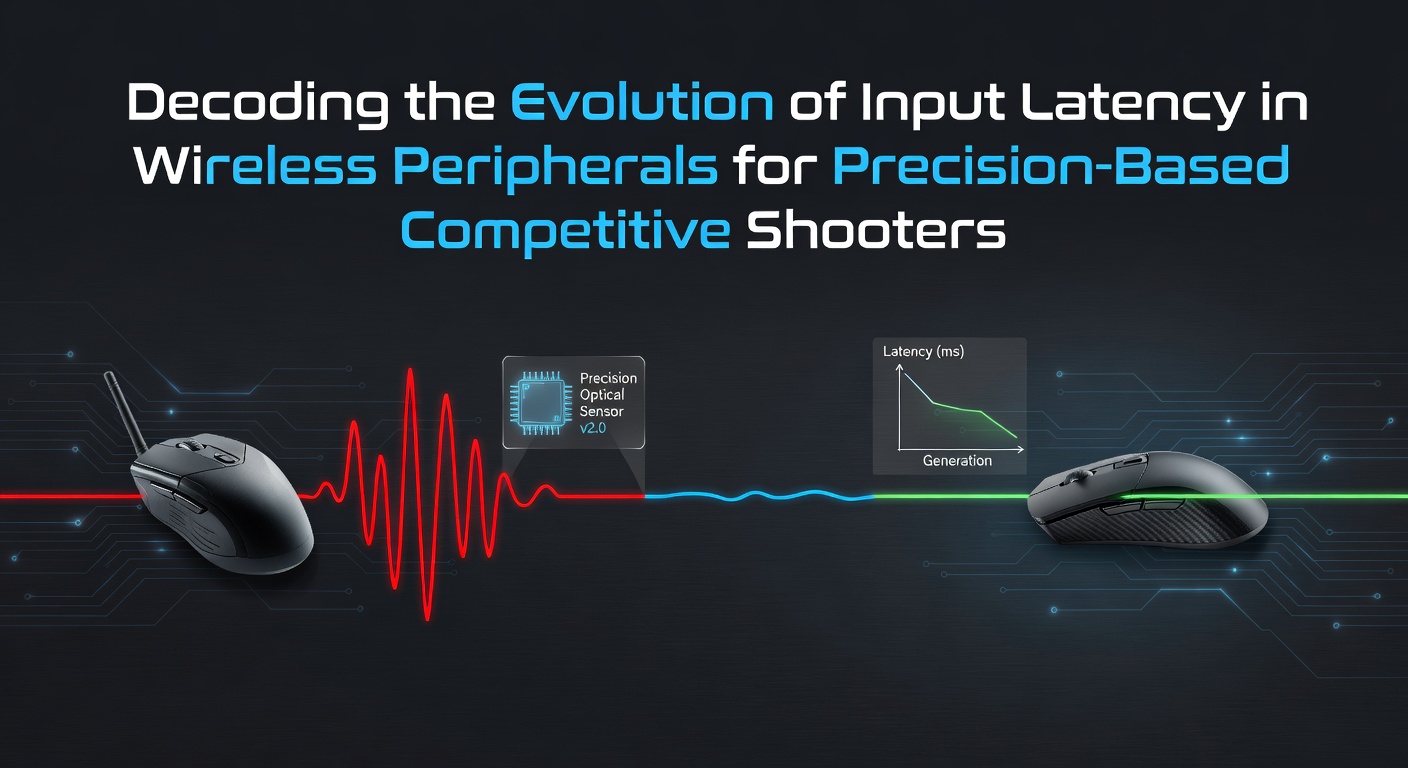
Competitive shooters demand split-second reactions where even small delays in wireless peripherals can shift the outcome of a match, and observers have tracked steady reductions in input latency across mice, keyboards, and headsets designed for this space. Early wireless devices relied on basic 27 MHz or standard Bluetooth connections that introduced noticeable lag through signal interference and slower polling cycles, yet engineers gradually shifted toward proprietary 2.4 GHz protocols with dedicated receivers to cut response times from over 20 milliseconds down to single-digit figures in controlled tests.
Early Limitations and Initial Improvements
Wireless peripherals entered the gaming market in the late 1990s and early 2000s with hardware that prioritized mobility over speed, so players often encountered jitter from battery drain and crowded radio frequencies. Researchers at institutions across North America documented these issues in reports that measured average delays exceeding 15 milliseconds under tournament conditions, prompting manufacturers to adopt higher polling rates starting around 500 Hz. Data from equipment evaluations shows that the addition of onboard memory buffers and error-correction algorithms helped stabilize signals, although full consistency remained elusive until firmware updates refined packet transmission in subsequent generations.
By the mid-2010s several brands introduced lightweight sensors paired with low-power chips, and figures from industry benchmarks reveal latency dropping below 10 milliseconds on average for flagship models. Those who analyzed tournament footage noted fewer instances of perceived sluggishness after these changes, while regulatory standards from bodies like the Australian Competition and Consumer Commission encouraged clearer performance disclosures that aided buyer comparisons across regions.
Breakthroughs in Protocol Design
Modern wireless systems incorporate adaptive frequency hopping and multi-channel support that maintain stable connections even in crowded venues, and studies indicate these features have reduced packet loss rates to under 1 percent in most esports environments. Engineers integrated nano-receivers with direct USB polling that bypasses traditional Bluetooth stacks, allowing devices to achieve effective rates of 1000 Hz or higher without wired fallback. What's interesting here is how power management evolved in tandem, since longer battery life no longer trades off against speed thanks to efficient sleep cycles that wake in microseconds.
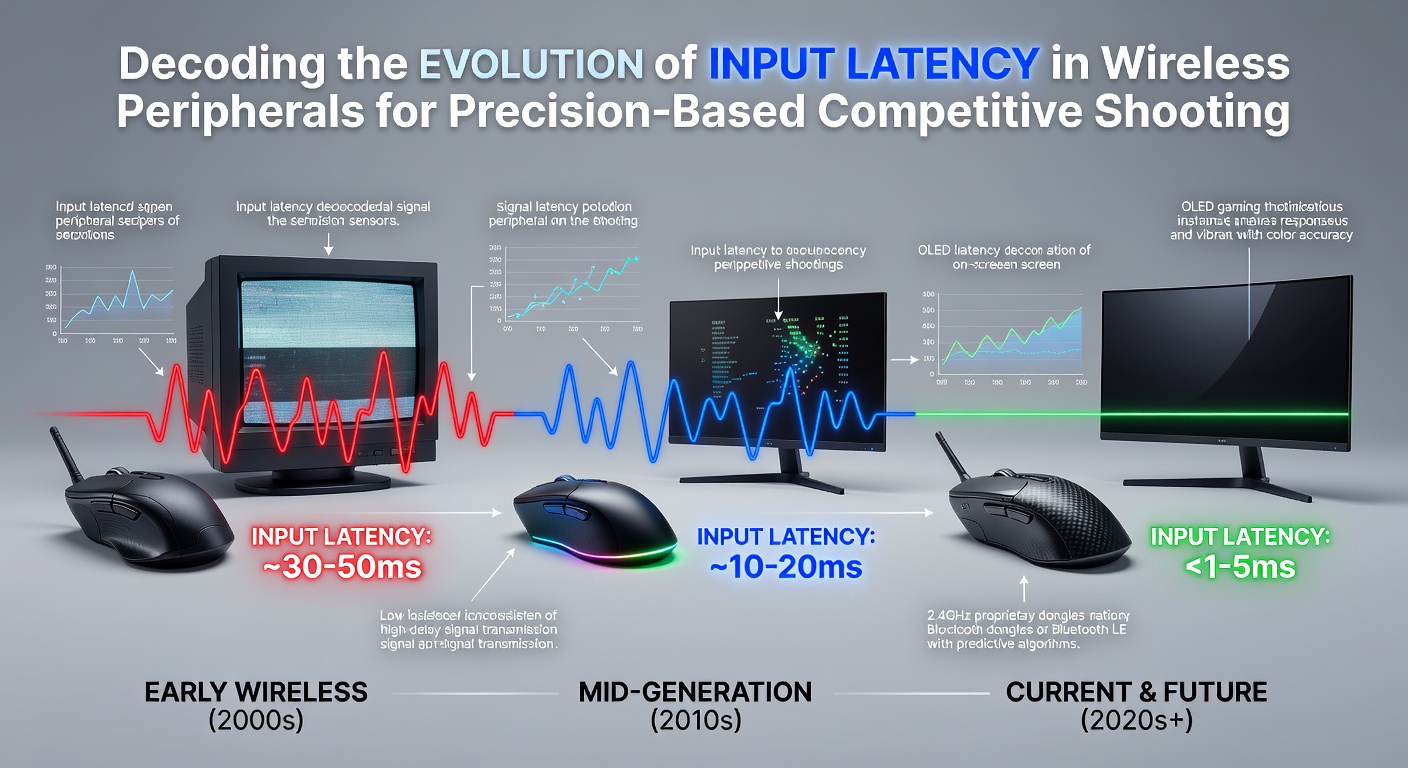
Take one development team that refined a dual-band approach combining 2.4 GHz for primary data and a secondary low-latency channel for critical inputs, and test results published through university labs in Europe confirm average end-to-end delays now hover around 3 to 5 milliseconds. Observers note that such refinements matter most in titles requiring pixel-perfect aim, where cumulative latency across mouse, keyboard, and display compounds quickly during sustained play sessions.
Measurement Standards and Real-World Testing
Standardized testing rigs now capture both hardware polling and software overhead using high-speed cameras synced to oscilloscopes, and reports from research groups show this method provides repeatable data that accounts for variables like USB hub quality and background interference. In May 2026 several manufacturers released updated firmware that further optimized queue management, bringing measured wireless latency closer to wired equivalents according to independent verification from Canadian technical institutes. Players in professional circuits have adopted these updates rapidly because telemetry logs demonstrate measurable gains in first-shot accuracy during high-stakes rounds.
Case studies from major events highlight how teams equipped with the latest peripherals recorded lower average reaction times in controlled drills compared with older hardware, although environmental factors such as venue Wi-Fi density still require on-site calibration. Those who've reviewed aggregated statistics across global tournaments find consistent patterns where sub-4-millisecond wireless mice correlate with improved tracking performance in fast-paced scenarios.
Current Landscape and Ongoing Refinements
Today's precision shooters benefit from peripherals that combine high-refresh sensors with forward error correction, and industry data reveals adoption rates climbing steadily among top-ranked competitors. Manufacturers continue to shrink receiver footprints while boosting transmission efficiency, and a 2025 analysis from the European Technology Standards Institute outlines how emerging ultra-wideband options could push boundaries even lower in future iterations. Battery technology has kept pace as well, with lithium-polymer cells delivering extended sessions without the voltage drops that once introduced micro-delays mid-match.
Software suites now allow users to monitor real-time latency metrics through companion apps, giving competitors tools to verify performance before events. Research indicates that integrating these diagnostics with practice routines helps refine muscle memory around the actual response characteristics of wireless gear rather than assuming uniformity across devices.
Conclusion
The progression of input latency in wireless peripherals reflects incremental engineering focused on protocol efficiency, sensor responsiveness, and interference mitigation, with measurable improvements documented through repeated testing cycles up to and including developments noted in May 2026. Competitive communities continue to integrate these advances because objective benchmarks demonstrate tighter synchronization between physical actions and on-screen results, while remaining challenges around multi-device coexistence drive further innovation in the sector.