AI Analytics Reshaping Esports Broadcasting Strategies in May 2026
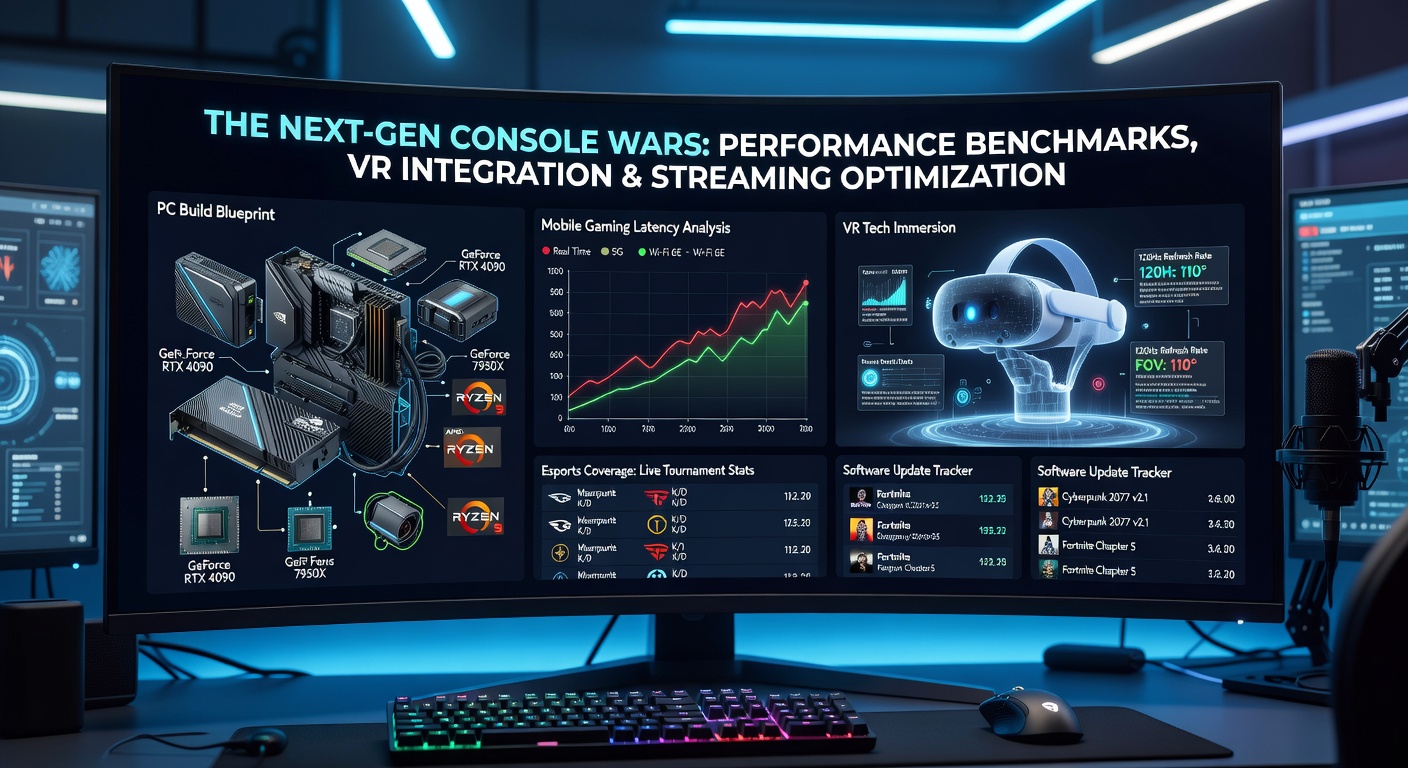
Esports organizations have integrated AI analytics platforms into broadcasting workflows throughout 2026, and these systems process real-time player metrics from competitive titles such as League of Legends and Valorant while generating on-screen overlays that highlight strategic patterns for viewers, and data from the Entertainment Software Association indicates that such tools reached 68 percent adoption among major North American leagues by early May.
Core Technologies Behind the Shift
Machine learning models analyze thousands of gameplay variables including positioning heatmaps, ability usage sequences, and resource management cycles, then these algorithms feed predictive visualizations to production teams who overlay them during live streams without interrupting commentary flow, and researchers at the University of Tokyo documented how similar frameworks reduced viewer drop-off rates by 22 percent in controlled trials conducted during the prior season.
Hardware requirements for these analytics pipelines typically involve dedicated GPU clusters in data centers that handle simultaneous feeds from multiple camera angles plus in-game telemetry, while PC builds optimized for broadcast teams now incorporate NVMe arrays with capacities exceeding 4TB to store historical match archives that train newer models, and software updates from providers like NVIDIA have streamlined integration between these clusters and streaming software such as OBS Studio.
Impact on Console and Mobile Coverage
Console comparisons have evolved as broadcasters apply the same AI layers to PlayStation 5 and Xbox Series X tournaments, where frame-rate consistency data merges with player biometric inputs to create narrative arcs that explain why certain teams maintain advantages in prolonged series, and mobile gaming events benefit similarly when AI tracks touch-screen input precision across devices running titles like Genshin Impact during regional qualifiers.
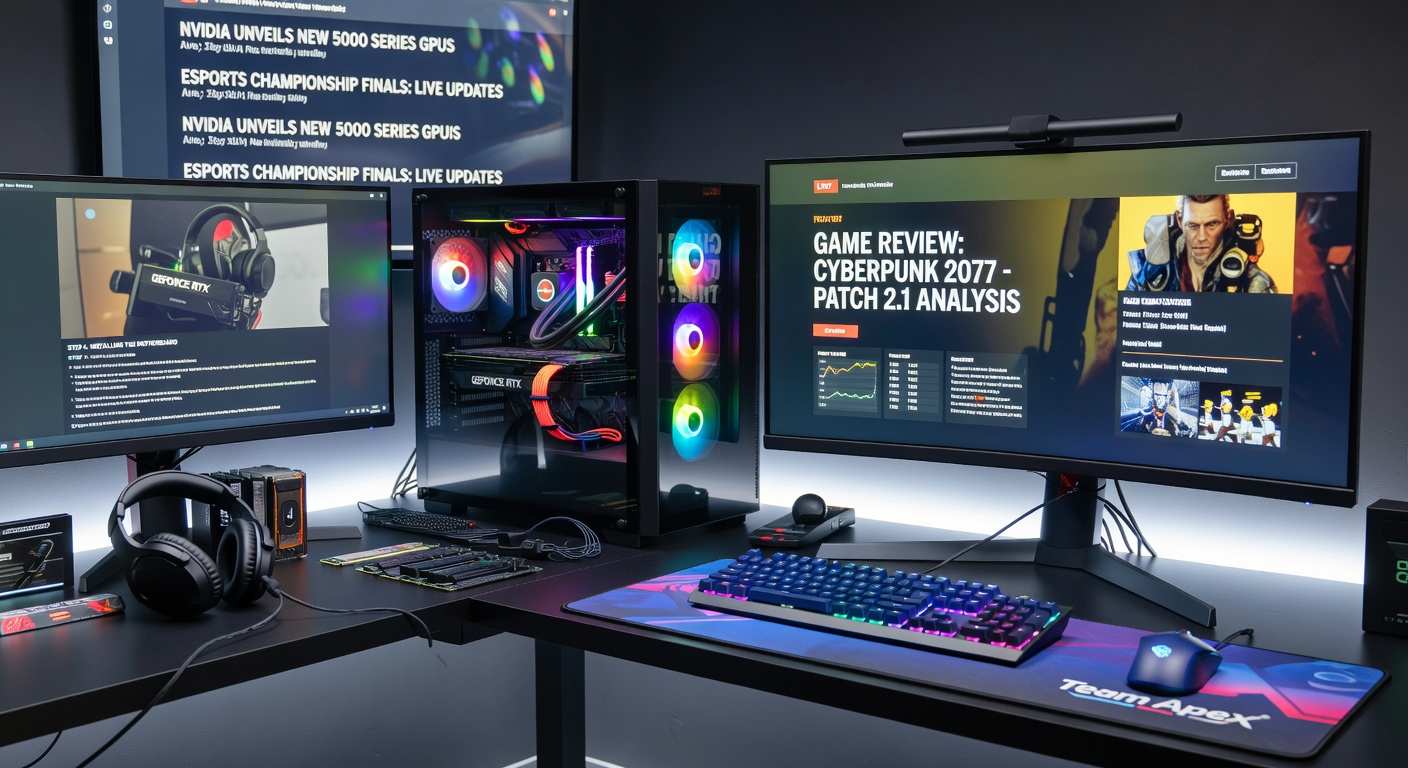
VR tech segments within mixed-reality showcases receive additional layers of spatial tracking data that AI condenses into viewer-friendly metrics, and this approach allows producers to highlight movement efficiency without requiring separate commentary segments, while streaming guides published by platform operators now recommend specific bitrate settings that accommodate the extra data packets these analytics generate.
Hardware and Infrastructure Updates
Gaming hardware manufacturers responded to these demands by releasing motherboards with enhanced PCIe lanes that support concurrent AI co-processors alongside primary GPUs, and esports facilities report that such configurations maintain stable performance during 12-hour events where analytics engines run continuously alongside game servers, and reports from the Canadian Interactive Digital Entertainment Association show corresponding increases in equipment budgets allocated to these hybrid systems.
Software updates released in April 2026 introduced improved synchronization between analytics dashboards and cloud rendering services, which enables remote commentators to access the same visual tools as on-site crews, and this development supports global coverage of tournaments without latency spikes that previously disrupted narrative delivery.
Viewer Engagement Patterns
Audience retention metrics collected across platforms reveal that segments featuring AI-generated insights maintain higher concurrent viewership than traditional play-by-play alone, and producers adjust camera switches based on algorithmic suggestions that flag upcoming high-impact moments such as coordinated team fights, while game reviews increasingly reference these broadcast enhancements when evaluating competitive titles for their spectator value.
Conclusion
By May 2026 the combination of refined algorithms, updated hardware standards, and cross-platform data sharing has established AI analytics as a standard component of esports production pipelines, and continued refinement of these systems aligns with broader trends in tech news coverage that emphasize measurable improvements in viewer accessibility across PC, console, and mobile formats.